Fries’ Pondweed: A Hardy Native for Your Water Garden
If you’re looking to add authentic native character to your water garden or pond, Fries’ pondweed might just be the understated aquatic plant you never knew you needed. This northern native won’t win any beauty contests, but it brings genuine ecological value and effortless charm to the right water feature.
What is Fries’ Pondweed?
Fries’ pondweed (Potamogeton friesii) is a perennial aquatic forb that calls the cooler waters of North America home. Unlike flashy water lilies or dramatic cattails, this modest plant works quietly beneath the surface, creating habitat and contributing to healthy aquatic ecosystems. It’s part of the pondweed family, a group of plants that have mastered the art of underwater living.
As a true native species, Fries’ pondweed naturally occurs throughout Alaska, Canada, and much of the northern United States. This extensive range speaks to its adaptability and hardiness – qualities that make it a reliable choice for water gardeners in suitable climates.
Where Does It Grow?
This cold-loving aquatic plant has an impressive natural range across northern North America. You’ll find it growing wild from Alaska down through Canada’s provinces and territories, and throughout much of the northern United States including the Great Lakes region, New England, and parts of the Mountain West. States and provinces in its native range include Alberta, British Columbia, Alaska, Manitoba, Ontario, Quebec, Idaho, Minnesota, Michigan, Maine, New Hampshire, Vermont, and many others.
- Species observed
- No observations
Why Consider Fries’ Pondweed?
Let’s be honest – if you’re after showy blooms or dramatic foliage, this isn’t your plant. Fries’ pondweed is the quiet, dependable type that brings practical benefits rather than eye-catching beauty:
- True native appeal: Supports authentic regional ecosystems in water gardens
- Habitat creation: Provides shelter and breeding areas for aquatic wildlife
- Water clarity: Helps maintain clear water by competing with algae for nutrients
- Low maintenance: Once established, requires minimal care
- Cold hardy: Thrives in northern climates where other aquatics might struggle
What Does It Look Like?
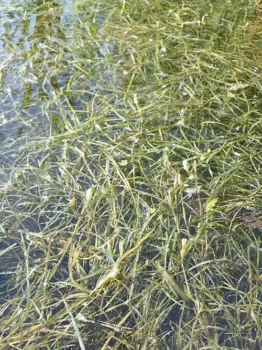
Fries’ pondweed keeps things simple with narrow, linear leaves that grow completely submerged. The small, inconspicuous flower spikes occasionally emerge above the water surface, but don’t expect a floral display. This plant’s beauty lies in its subtle underwater presence and the way it moves gently with water currents. Think of it as the aquatic equivalent of ornamental grasses – valued more for texture and movement than bold color.
Perfect Growing Conditions
This pondweed has very specific habitat requirements, which explains its Obligate Wetland status across all regions where it occurs. Here’s what it needs to thrive:
- Water depth: Shallow to moderately deep water, typically 1-6 feet
- Water temperature: Cool to cold water preferred
- Light: Full sun to partial shade
- USDA Zones: 2-7 (excellent cold tolerance)
- Water quality: Clean, well-oxygenated water
- Bottom type: Muddy or sandy substrates
Planting and Care Tips
Growing Fries’ pondweed successfully is mostly about creating the right conditions and then getting out of its way:
- Establishment: Plant fragments or seeds directly in pond substrate during spring
- Placement: Choose areas with stable water levels and good water circulation
- Maintenance: Minimal once established – may naturally die back in winter
- Propagation: Spreads naturally through plant fragments and seeds
- Winter care: Hardy perennial that typically survives freezing in dormant state
Is This Plant Right for Your Water Garden?
Fries’ pondweed works best for gardeners who prioritize ecological authenticity over ornamental impact. It’s ideal if you:
- Have a natural or naturalistic pond design
- Live in northern regions within its native range
- Want to support local aquatic ecosystems
- Prefer low-maintenance water plants
- Value habitat creation over visual drama
However, you might want to skip it if you’re after showy water features with bold colors and dramatic foliage. In those cases, consider pairing it with more ornamental natives like wild rice, arrowhead, or native water lilies.
The Bottom Line
Fries’ pondweed may not be the star of your water garden, but it’s definitely a valuable supporting player. For gardeners in suitable northern climates who want to create authentic aquatic habitats, this unassuming native offers reliable performance and genuine ecological benefits. Sometimes the best garden plants are the ones that quietly do their job while supporting the bigger picture of a healthy, thriving ecosystem.