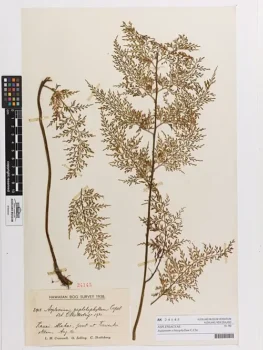
Fringed Spleenwort: A Rare Hawaiian Treasure for Your Shade Garden
Meet the fringed spleenwort (Asplenium schizophyllum), a delicate and incredibly rare fern that calls the Hawaiian Islands home. This little-known native species might just be one of Hawaii’s best-kept botanical secrets – though its scarcity means you’ll need to be extra thoughtful about how you approach growing it.
What Makes Fringed Spleenwort Special?
The fringed spleenwort is a perennial fern that’s as charming as it is elusive. With its finely divided, delicate fronds, this small fern brings an understated elegance to any shaded corner. Don’t let its modest size fool you – this little plant packs a big punch when it comes to adding texture and native authenticity to Hawaiian landscapes.
You might also see this fern listed under its synonym, Asplenium nephelephyllum, though Asplenium schizophyllum is the accepted botanical name today.
Where Does It Call Home?
This remarkable fern is found exclusively in Hawaii, making it a true island endemic. It’s perfectly adapted to the unique growing conditions of the Hawaiian Islands, where it thrives in the dappled light of native forests.
- Species observed
- No observations
A Word of Caution: Rarity Matters
Here’s where things get serious – the fringed spleenwort has a Global Conservation Status of S1, which means it’s critically imperiled. With typically five or fewer occurrences and very few remaining individuals (fewer than 1,000), this fern is hanging on by a thread in the wild.
What does this mean for gardeners? If you’re lucky enough to find this species available, make absolutely certain it comes from responsibly sourced, ethically propagated stock. Never collect plants from wild populations – every individual matters for this species’ survival.
Growing Conditions and Care
If you’re in USDA hardiness zones 10-11 and have access to responsibly sourced plants, here’s what your fringed spleenwort will need to thrive:
- Light: Partial to full shade – this fern prefers the gentle, filtered light of its native forest habitat
- Soil: Well-draining but consistently moist soil
- Water: Regular watering to maintain soil moisture, but avoid waterlogged conditions
- Climate: Tropical to subtropical conditions with high humidity
The fringed spleenwort has a wetland status of Facultative Upland, meaning it usually grows in non-wetland areas but can tolerate some moisture. This makes it quite versatile for different garden microclimates, as long as drainage is adequate.
Perfect Garden Companions and Design Ideas
This delicate fern works beautifully in:
- Native Hawaiian plant gardens
- Shaded rock gardens or crevice gardens
- Understory plantings beneath larger native trees
- Container gardens where growing conditions can be carefully controlled
Pair it with other native Hawaiian shade plants for an authentic island garden that supports local biodiversity.
Wildlife and Ecosystem Benefits
While ferns don’t produce flowers for pollinators, they play important roles in their native ecosystems. The fringed spleenwort likely provides habitat for small invertebrates and contributes to the complex web of native Hawaiian forest communities.
The Bottom Line
The fringed spleenwort is a botanical treasure that deserves our protection and respect. If you’re passionate about growing rare native plants and can source this fern responsibly, it could become a meaningful addition to your shade garden. Just remember – with great rarity comes great responsibility. Every plant grown in cultivation helps preserve the genetic diversity of this critically imperiled species.
Consider this fern not just as a garden plant, but as a living piece of Hawaiian natural heritage that you’re helping to safeguard for future generations.