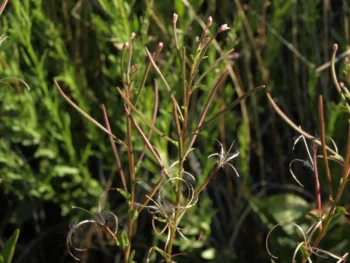
Fringed Willowherb: A Hardy Native Wildflower for Every Garden
If you’re looking for a low-maintenance native plant that practically grows itself while supporting local wildlife, meet fringed willowherb (Epilobium ciliatum ciliatum). This unassuming perennial might not win any flashy flower contests, but it’s the kind of reliable garden companion that quietly does its job year after year – and pollinators absolutely love it.
What Is Fringed Willowherb?
Fringed willowherb is a native North American perennial forb that belongs to the evening primrose family. As a herbaceous plant, it dies back to the ground each winter and returns fresh each spring. Don’t let the name fool you – while it’s called willowherb, it’s not related to willow trees at all. The name comes from its narrow, lance-shaped leaves that somewhat resemble willow foliage.
This hardy plant produces small pink to white flowers throughout the summer months, and its leaves have distinctive tiny hairs along the edges (that’s the fringed part of its name). While individual plants might seem modest, fringed willowherb often forms attractive colonies that create a lovely naturalized effect.
Where Does It Grow Naturally?
Talk about a widespread native! Fringed willowherb is native throughout most of North America, including Alaska, Canada, and the lower 48 United States. You’ll find it growing naturally from coast to coast and border to border. The only place it’s considered non-native is Hawaii, where it has been introduced but reproduces on its own in the wild.
This extensive range includes states and provinces from Alberta and British Columbia down to Texas and California, and everywhere in between – including Arizona, Colorado, Maine, Florida, and dozens of others. If you live in North America, chances are excellent that fringed willowherb is native to your area.
- Species observed
- No observations
Why Grow Fringed Willowherb?
Here’s where fringed willowherb really shines as a garden plant:
- Pollinator magnet: Bees, butterflies, and other beneficial insects flock to its flowers
- Ultra-hardy: Thrives in USDA hardiness zones 2-9, handling both extreme cold and heat
- Low maintenance: Once established, it pretty much takes care of itself
- Adaptable: Tolerates a wide range of growing conditions
- Native credentials: Supports local ecosystems and wildlife
- Extended bloom time: Flowers from summer into early fall
Perfect Garden Spots for Fringed Willowherb
This versatile native works beautifully in several garden styles:
- Native plant gardens: A natural choice for authentic regional plantings
- Cottage gardens: Adds a charming wildflower element
- Rain gardens: Thrives in areas that collect water runoff
- Naturalized areas: Perfect for low-maintenance wild spaces
- Wetland gardens: Excellent choice for consistently moist areas
- Meadow plantings: Blends beautifully with native grasses and other wildflowers
Growing Conditions and Care
One of the best things about fringed willowherb is how easygoing it is about growing conditions:
Light: Full sun to partial shade – it’s quite flexible
Soil: Prefers moist to wet soils but adapts to various soil types. It’s particularly happy in areas with consistent moisture
Water: Loves regular water but can tolerate some drought once established
Maintenance: Minimal! This is truly a plant it and forget it species
Planting and Care Tips
Getting started with fringed willowherb is refreshingly simple:
- Plant in spring or fall when temperatures are moderate
- Space plants about 12-18 inches apart if you want quicker coverage
- Water regularly the first season to help establish roots
- After that, natural rainfall is usually sufficient
- No fertilizer needed – it thrives in average soils
- Deadhead spent flowers if you want to prevent self-seeding
- Cut back in late fall or early spring
A Word of Caution (The Good Kind)
Here’s the thing about fringed willowherb – it’s a bit of a spreader. This plant can self-seed readily and may pop up in unexpected places around your garden. For some gardeners, this is a delightful surprise that creates a natural, cottage garden look. For others who prefer more control, simply deadhead the flowers before they set seed.
The plant can also spread by underground stems, gradually forming colonies. Again, this can be either a feature or a bug, depending on your garden goals.
Wildlife Benefits
While we don’t have specific data on all the wildlife that benefits from fringed willowherb, we know that native plants like this one typically support far more biodiversity than non-native alternatives. The flowers provide nectar for various pollinators, and the plant likely serves as a host for native insects that birds and other wildlife depend on.
The Bottom Line
Fringed willowherb might not be the showiest plant in your garden, but it’s definitely one of the most reliable and beneficial. If you’re looking to support local wildlife, reduce maintenance, and add some authentic regional character to your landscape, this native wildflower deserves serious consideration.
Just remember: like many natives, it knows how to make itself at home. Embrace its naturalistic tendencies, and you’ll have a beautiful, low-maintenance addition to your garden that keeps giving back to the local ecosystem year after year.