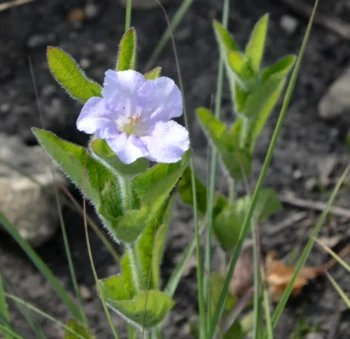
Fringeleaf Wild Petunia: A Charming Native Wildflower for Every Garden
Looking for a low-maintenance native wildflower that brings purple blooms and natural beauty to your landscape? Meet the fringeleaf wild petunia (Ruellia humilis), a delightful native perennial that’s been quietly charming gardeners across much of the United States. Don’t let the name fool you – this isn’t actually related to the petunias you might know from garden centers, but it’s every bit as lovely and far more suited to supporting local wildlife.
What Makes Fringeleaf Wild Petunia Special?
This native beauty is a true American original, naturally occurring across 25 states from the Great Plains to the Atlantic Coast. You’ll find wild populations thriving everywhere from Alabama and Florida in the south to Minnesota and Wisconsin in the north, with a strong presence throughout the Midwest and extending into states like Pennsylvania and Maryland.
- Species observed
- No observations
As a perennial forb (that’s botanist-speak for a non-woody flowering plant), fringeleaf wild petunia forms clumps of fine-textured green foliage that reach about 2.6 feet tall. The real show-stopper comes in summer when the plant produces eye-catching purple tubular flowers that seem to glow against the delicate foliage.
Why Your Garden Will Love This Plant
Here’s where fringeleaf wild petunia really shines – it’s incredibly adaptable and forgiving. This plant has mastered the art of going with the flow, thriving in a variety of conditions that would stress out more finicky garden plants.
- Soil flexibility: Happy in clay, sand, or loamy soils
- Moisture adaptable: Tolerates both average and drier conditions once established
- Shade friendly: Unlike many flowering natives, it actually tolerates shade well
- Low maintenance: Requires minimal fertilizer and care
- Hardy range: Thrives in USDA zones 3-9
Perfect Spots in Your Landscape
Fringeleaf wild petunia works beautifully in several garden settings. It’s ideal for naturalizing areas where you want a more relaxed, meadow-like feel. The plant shines in native plant gardens, prairie restorations, and woodland edge plantings. Its moderate growth rate and single-stem growth form make it perfect for filling in gaps in perennial borders or creating drifts of summer color in larger landscapes.
Since it typically grows in non-wetland areas (though it can occasionally pop up in wetter spots), you’ll want to place it in your garden’s well-draining areas rather than rain gardens or consistently moist locations.
Wildlife Benefits
Here’s where your garden becomes a wildlife haven: those summer purple blooms are magnets for native pollinators. Bees, butterflies, and other beneficial insects will thank you for adding this native beauty to your landscape. By choosing native plants like fringeleaf wild petunia, you’re supporting the complex web of relationships between local plants and the creatures that depend on them.
Growing Your Own Fringeleaf Wild Petunia
Ready to add this charming native to your garden? Here’s how to set it up for success:
Starting from Seed
The easiest way to grow fringeleaf wild petunia is from seed. With about 150,000 seeds per pound, a little goes a long way! Seeds can be direct sown in fall or spring. No cold treatment needed – just scatter and lightly rake into prepared soil.
Planting Tips
- Spacing: Plant 4-10 square feet per plant depending on how dense you want coverage
- Soil pH: Adaptable to acidic through neutral soils (pH 4.5-7.5)
- Sunlight: Full sun to partial shade – quite tolerant!
- Watering: Water during establishment, then it’s quite drought tolerant
Care and Maintenance
Once established, fringeleaf wild petunia is refreshingly low-maintenance. It has a slow regrowth rate if cut, so avoid aggressive mowing or cutting during the growing season. The plant doesn’t spread aggressively – seed dispersal is slow, and it doesn’t spread vegetatively, making it a well-behaved garden citizen.
A Few Things to Keep in Mind
While fringeleaf wild petunia is generally wonderful, it does have a relatively short lifespan as perennials go. Don’t worry though – it will likely self-seed modestly to maintain its presence in your garden. The plant isn’t commercially available from most sources, so growing from seed or finding it through native plant societies is your best bet.
Also worth noting: this plant needs at least 160 frost-free days, so gardeners in extremely northern areas might find it challenging to grow.
The Bottom Line
Fringeleaf wild petunia is one of those hidden gems of the native plant world – adaptable, attractive, and beneficial to wildlife, but not aggressive or difficult to manage. If you’re looking to add authentic regional character to your landscape while supporting local ecosystems, this purple-flowered charmer deserves a spot in your garden. It’s proof that native plants can be both beautiful and practical, bringing a touch of wild prairie grace to gardens across much of the country.