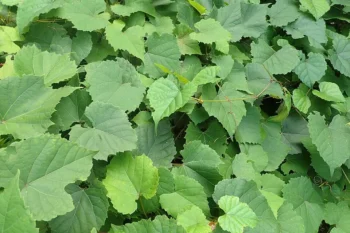
Frost Grape: A Native Climbing Vine for Wildlife-Friendly Gardens
If you’re looking to add a touch of wild beauty to your landscape while supporting local wildlife, frost grape (Vitis vulpina) might just be the perfect climbing companion for your garden. This hardy native vine brings both ecological value and subtle charm to naturalistic landscapes across much of North America.
What Makes Frost Grape Special?
Frost grape is a perennial climbing vine that’s been quietly beautifying North American landscapes long before European settlers arrived. Also known by its scientific name Vitis vulpina, this native species has several botanical synonyms including Vitis cordifolia, though don’t let the name confusion fool you – it’s the same wonderful plant.
Unlike its cultivated grape cousins, frost grape is all about subtle beauty and wildlife appeal rather than showy displays. The vine produces small, inconspicuous white flowers in late spring that may not catch your eye, but they’re absolute magnets for pollinators like small bees and flies.
Where Does Frost Grape Call Home?
This adaptable vine is native to both Canada and the lower 48 states, with an impressive geographic distribution spanning from the Atlantic to the Great Plains. You’ll find frost grape thriving naturally in Alabama, Arkansas, Delaware, Florida, Georgia, Illinois, Indiana, Iowa, Kansas, Kentucky, Louisiana, Maryland, Massachusetts, Michigan, Mississippi, Missouri, Nebraska, New Jersey, New York, North Carolina, Ohio, Oklahoma, Ontario, Pennsylvania, South Carolina, Tennessee, Texas, Virginia, and West Virginia, plus the District of Columbia.
- Species observed
- No observations
Garden Appeal and Landscape Role
Don’t expect frost grape to be the showstopper of your garden – its beauty lies in its naturalistic charm. The vine can reach impressive heights of up to 83 feet when given proper support, making it excellent for:
- Covering fences and arbors
- Providing natural screening
- Erosion control on slopes
- Adding vertical interest to wildlife gardens
- Creating habitat in woodland settings
The heart-shaped green leaves provide moderate summer shade and turn lovely colors in fall, while the small black grapes (yes, they’re conspicuous despite the flowers being modest) persist from summer through fall, offering extended wildlife value.
Growing Conditions: What Frost Grape Needs to Thrive
One of frost grape’s best qualities is its adaptability. This vine has a facultative wetland status, meaning it’s equally happy in wet or dry conditions – though it performs best with moderate moisture levels.
Soil Requirements:
- Adapts to coarse and medium-textured soils (avoid heavy clay)
- Prefers slightly acidic to neutral soil (pH 6.0-7.5)
- Needs well-draining soil with at least 16 inches of root depth
Sun and Climate:
- Thrives in USDA zones 4-9
- Tolerates intermediate shade but prefers some sun
- Needs at least 165 frost-free days
- Handles annual precipitation between 32-55 inches
Planting and Care Tips
Growing frost grape successfully is surprisingly straightforward once you understand its needs:
Getting Started:
- Seeds require cold stratification, so fall planting works well
- Can be propagated from cuttings, seeds, or purchased containers
- Commercial availability is limited to contracting only
- Plant 170-300 vines per acre if establishing larger areas
Ongoing Care:
- Provide sturdy support structures – this vine gets heavy!
- Moderate growth rate means patience pays off
- Low drought tolerance, so maintain consistent moisture
- Prune in late winter if needed to control size
- Watch for resprouting ability – it can bounce back from pruning
Wildlife Benefits: Why Your Local Ecosystem Will Thank You
While the specific wildlife benefits aren’t fully documented, frost grape follows the typical pattern of native Vitis species by providing:
- Nectar for small pollinators during bloom period
- Small grapes that feed birds and mammals in fall
- Dense climbing structure for nesting birds
- Year-round habitat complexity
The vine’s long lifespan means your wildlife investment will pay dividends for many years to come.
Is Frost Grape Right for Your Garden?
Consider frost grape if you:
- Want to support native wildlife
- Have space for a vigorous climbing vine
- Prefer low-maintenance, naturalistic plantings
- Need erosion control or screening
- Garden in zones 4-9
Skip frost grape if you:
- Want showy flowers or ornamental fruit
- Have limited vertical space
- Prefer highly manicured landscapes
- Live in areas with severe drought conditions
The Bottom Line
Frost grape may not win any beauty contests, but it’s a champion when it comes to providing ecological value and naturalistic charm. This native vine offers gardeners a chance to connect their landscapes with the broader ecosystem while enjoying the subtle pleasures of watching wildlife interact with truly native plants. If you’re ready to embrace a more natural approach to gardening, frost grape might just climb its way into your heart.