Froststem Suncup: A Hardy Desert Wildflower for Southwestern Gardens
If you’re looking for a resilient native wildflower that can handle the harsh conditions of the American Southwest, meet the froststem suncup (Camissonia multijuga). This unassuming little plant might not win any beauty contests, but it’s got character and grit that make it a worthy addition to the right garden.
What is Froststem Suncup?
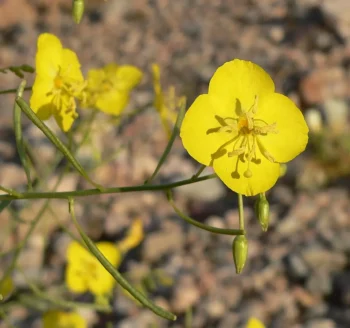
Froststem suncup is a native annual or biennial forb that belongs to the evening primrose family. You might also see it listed under its former botanical names, including Oenothera multijuga. This low-growing wildflower is perfectly adapted to life in the desert, producing cheerful yellow flowers that brighten up the landscape during its blooming season.
As a forb, this plant lacks woody stems and instead produces soft, herbaceous growth that dies back each year. Don’t let its delicate appearance fool you though – this little survivor has adapted to thrive in some pretty tough conditions.
Where Does It Grow?
Froststem suncup is native to three southwestern states: Arizona, Nevada, and Utah. Within this range, you’ll typically find it growing in desert flats, washes, and rocky slopes where few other plants dare to venture.
- Species observed
- No observations
Should You Plant Froststem Suncup?
Here’s the honest truth: froststem suncup isn’t for every garden or every gardener. This plant has a conservation status that’s somewhat unclear (listed as S3? – undefined), which means we should be mindful about sourcing it responsibly from reputable native plant nurseries rather than collecting from the wild.
That said, if you live in the Southwest and want to create an authentic desert garden, this little native deserves consideration. Here’s why:
- It’s genuinely native to the region, supporting local ecosystems
- Extremely drought tolerant once established
- Provides nectar for native pollinators
- Requires virtually no maintenance
- Adds authentic desert character to naturalized plantings
What Does It Look Like?
Don’t expect froststem suncup to make a bold statement in your garden. This is a subtle plant that produces small, bright yellow flowers during its blooming period. The plant stays relatively low to the ground with narrow leaves and stems that can handle temperature extremes – hence the froststem part of its common name.
It works best as part of a larger native plant community rather than as a standalone specimen. Think of it as supporting cast rather than the star of the show.
Growing Conditions
If you decide to grow froststem suncup, you’ll need to recreate its natural desert habitat:
- Sunlight: Full sun is essential – this plant evolved in wide-open desert spaces
- Soil: Well-draining sandy or rocky soil; heavy clay will likely kill it
- Water: Minimal once established; overwatering is more dangerous than drought
- Climate: Suited for USDA zones 4-9, but thrives in arid climates
Planting and Care Tips
Growing froststem suncup successfully is all about restraint – this plant needs you to resist the urge to pamper it:
- Seeding: Direct seed in fall for spring germination
- Watering: Water lightly during establishment, then back off completely
- Fertilizing: Don’t! Desert plants are adapted to poor soils
- Maintenance: Essentially none required once established
Garden Design Ideas
Froststem suncup works best in:
- Desert and xeriscape gardens
- Rock gardens with good drainage
- Naturalized native plant areas
- Spaces between larger desert shrubs and cacti
Pair it with other southwestern natives like desert marigold, brittlebush, or various desert grasses for an authentic look.
The Bottom Line
Froststem suncup isn’t going to transform your garden into a showstopper, but if you’re committed to growing native plants in the Southwest and want something truly authentic and low-maintenance, it might be worth seeking out from a reputable native plant source. Just remember: this is a plant for gardeners who appreciate subtle beauty and want to support local wildlife, not those looking for dramatic color or easy availability at the local garden center.
Sometimes the most rewarding plants are the ones that teach us to garden with nature instead of against it – and froststem suncup is definitely one of those teachers.