Furrowed Wakerobin: A Rare Woodland Gem Worth Protecting
If you’re drawn to the mysterious beauty of woodland wildflowers, the furrowed wakerobin (Trillium sulcatum) might just capture your heart. This uncommon native perennial brings an air of ancient forest magic to shade gardens, but its rarity means we need to approach cultivation thoughtfully.
What Makes Furrowed Wakerobin Special
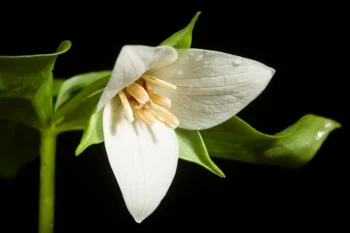
Also known by its scientific name Trillium sulcatum, this distinctive wildflower is a true woodland treasure. Like all trilliums, it follows the rule of three – everything comes in threes. You’ll find three broad leaves arranged in a perfect whorl, topped by a single flower with three petals. What sets the furrowed wakerobin apart is its deep red to maroon blooms and the characteristic furrows or ridges that give this species its common name.
As a perennial forb, this plant lacks woody stems but returns year after year from underground rhizomes, emerging in early spring to put on its brief but spectacular show before retreating back underground for the summer.
Where Furrowed Wakerobin Calls Home
This native beauty has a relatively limited range across the southeastern United States. You’ll find wild populations scattered through Alabama, Georgia, Kentucky, North Carolina, Tennessee, Virginia, and West Virginia – primarily in the Appalachian region where ancient forests provide the perfect conditions.
- Species observed
- No observations
A Word of Caution: Rarity Matters
Before you rush to add this stunning wildflower to your garden, there’s something important to know. Furrowed wakerobin holds a rarity status of S1 in Alabama, meaning it’s critically imperiled in that state. While we don’t have complete rarity data for all states, this signals that the species may be vulnerable throughout its range.
This doesn’t mean you shouldn’t grow it – quite the opposite! Cultivating rare native plants in our gardens can help preserve them for future generations. However, it does mean you should only obtain plants or seeds from reputable nurseries that propagate their own stock rather than collecting from wild populations.
Creating the Perfect Woodland Haven
Furrowed wakerobin thrives in conditions that mimic its natural forest floor habitat. Here’s what this woodland beauty needs to flourish:
- Light: Partial to full shade – think dappled sunlight filtering through tree canopy
- Soil: Rich, moist, well-draining woodland soil with plenty of organic matter
- Moisture: Consistent moisture during the growing season, but not waterlogged
- Climate: Hardy in USDA zones 5-8, perfect for most temperate regions
Planting and Care Tips
Growing furrowed wakerobin successfully requires patience and understanding of its natural rhythms:
- Plant dormant rhizomes in fall, about 2-3 inches deep
- Choose a spot that won’t be disturbed – trilliums hate having their roots disrupted
- Apply a thick layer of leaf mold or compost as mulch to retain moisture and suppress weeds
- Be patient – it can take several years for plants to establish and bloom reliably
- Allow the foliage to die back naturally to feed the rhizome for next year’s growth
Wildlife and Pollinator Benefits
While furrowed wakerobin may not be a major nectar source like some showier flowers, it plays an important role in woodland ecosystems. The blooms attract flies and beetles that serve as pollinators, while the plant’s early emergence provides food for emerging insects when few other flowers are available.
Design Ideas for Your Garden
Furrowed wakerobin shines in:
- Woodland gardens alongside other native understory plants
- Shade gardens as an early spring focal point
- Native plant gardens dedicated to regional flora
- Rock gardens with rich, organic soil in shaded areas
Pair it with other spring ephemeral wildflowers like bloodroot, hepatica, and wild ginger for a stunning early season display that captures the essence of an ancient forest floor.
The Bottom Line
Furrowed wakerobin offers gardeners a chance to grow something truly special – a rare native wildflower that brings authentic woodland beauty to shade gardens. While its rarity means we must be responsible in how we source and grow it, successfully cultivating this species helps ensure its survival while adding irreplaceable natural character to our landscapes.
If you’re ready to embrace the patience required for woodland gardening and can source plants responsibly, furrowed wakerobin will reward you with years of springtime wonder and the satisfaction of helping preserve a piece of our natural heritage.