Gambel’s Yellowcress: A Rare Native Gem for Wetland Gardens
If you’re passionate about native plant conservation and have a wet spot in your garden that’s been giving you trouble, meet Gambel’s yellowcress (Nasturtium gambelii) – a charming little California native that absolutely loves having its feet wet. This petite perennial might just be the perfect solution for those soggy areas where other plants fear to tread.
What Makes Gambel’s Yellowcress Special?
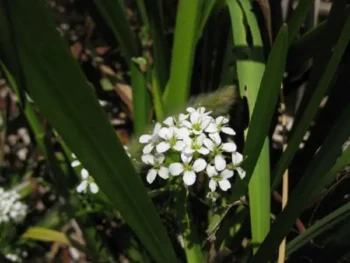
Gambel’s yellowcress is a delicate forb – essentially a non-woody flowering plant – that belongs to the mustard family. You might also see it listed under its botanical synonyms Cardamine gambelii or Rorippa gambelii in older references, but don’t let the name confusion fool you. This little beauty produces clusters of small, cheerful white to pale yellow flowers that dance above divided, ferny foliage.
Where Does It Call Home?
This California native has quite specific taste in real estate – it’s found exclusively in the Golden State, where it thrives in wetland environments. As an obligate wetland species, Gambel’s yellowcress almost always occurs in wetlands, making it a true water-loving specialist.
- Species observed
- No observations
A Plant in Need: Understanding Its Rarity
Important Conservation Note: Before you get too excited about adding this plant to your garden, there’s something crucial you need to know. Gambel’s yellowcress has a Global Conservation Status of S1, meaning it’s critically imperiled. With typically five or fewer known occurrences and very few remaining individuals in the wild, this plant is genuinely rare.
If you’re interested in growing Gambel’s yellowcress, please only obtain plants or seeds from reputable nurseries that source their material responsibly, without impacting wild populations. Better yet, consider it for restoration projects where it can help rebuild natural wetland communities.
Perfect Garden Scenarios
Gambel’s yellowcress isn’t your typical garden center find, and frankly, it’s not meant for typical gardens either. This specialized native shines in:
- Wetland restoration projects
- Bog gardens and constructed wetlands
- Rain gardens in appropriate climates
- Pond and stream edges
- Native plant collections focused on rare species conservation
Growing Conditions and Care
Think of Gambel’s yellowcress as the plant equivalent of a water baby – it needs consistent moisture to thrive. Here’s what this little native requires:
- Moisture: Consistently wet to moist soil – never let it dry out
- Light: Full sun to partial shade
- Climate: Best suited for USDA hardiness zones 8-10
- Soil: Tolerates various soil types as long as they stay wet
Wildlife and Pollinator Benefits
While Gambel’s yellowcress may be small in stature, it pulls its weight in the ecosystem. Its delicate flowers attract small native bees and other beneficial insects, providing nectar and pollen resources in wetland environments where such offerings might be scarce.
The Bottom Line
Should you plant Gambel’s yellowcress? If you’re working on wetland restoration, have a specialized bog garden, or are passionate about conserving rare native plants, then absolutely – but only with responsibly sourced material. This isn’t a plant for casual gardeners or typical landscapes, but for those with the right conditions and conservation mindset, it’s a meaningful way to support California’s native plant heritage.
Remember, growing rare natives like Gambel’s yellowcress is as much about conservation as it is about gardening. You’re not just adding a plant to your landscape – you’re becoming a steward of California’s botanical treasures.