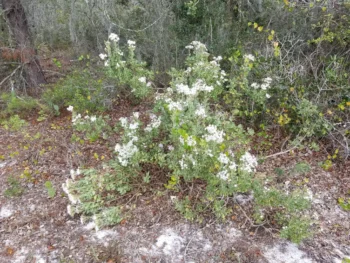
Garberia: Florida’s Hidden Gem for Native Plant Enthusiasts
If you’re looking for a truly unique Florida native that most gardeners have never heard of, let me introduce you to garberia (Garberia heterophylla). This charming little shrub might not have the flashiest common name, but it’s a botanical treasure that deserves a spot in every native plant lover’s garden.
What Exactly Is Garberia?
Garberia is a perennial shrub that’s as Florida as it gets – you won’t find this beauty growing wild anywhere else in the world. Also known by its synonym Garberia fruticosa, this multi-stemmed woody plant typically stays under 13-16 feet tall, making it perfect for residential landscapes. Think of it as Florida’s best-kept secret in the native plant world.
Where Does Garberia Call Home?
This endemic species is found exclusively in Florida’s unique scrubland habitats. From the sandy soils of Central Florida to the coastal scrubs, garberia has adapted perfectly to the Sunshine State’s challenging growing conditions.
- Species observed
- No observations
Why Your Garden Needs This Native Beauty
Here’s where garberia really shines – it’s like having a piece of authentic Florida ecosystem right in your backyard. The plant produces clusters of small white to pinkish flowers that may look delicate, but don’t let that fool you. This tough little shrub is perfectly adapted to Florida’s hot, dry conditions and poor sandy soils.
What makes garberia especially valuable is its role as a pollinator magnet. Native bees, butterflies, and other beneficial insects absolutely love the nectar-rich flowers. Plus, since it’s a truly native species, it supports local wildlife in ways that non-native plants simply can’t match.
Perfect for These Garden Styles
- Native Florida landscapes
- Drought-tolerant xeriscaping
- Wildlife and pollinator gardens
- Scrub habitat restoration projects
- Low-maintenance naturalistic designs
Growing Conditions That Make Garberia Happy
The beauty of garberia lies in its simplicity. This plant thrives in USDA hardiness zones 9-11, making it perfect for most of Florida. Here’s what it needs to flourish:
- Sunlight: Full sun is best – this scrubland native loves basking in Florida’s intense sunshine
- Soil: Well-drained sandy soil is ideal (think of its natural scrub habitat)
- Water: Drought tolerant once established – actually prefers drier conditions
- Space: Allow room for its natural multi-stemmed growth habit
Planting and Care Made Easy
The good news? Garberia is refreshingly low-maintenance once you get it established. Plant it in spring or fall when temperatures are milder, and make sure your soil drains well – soggy feet are this plant’s only real enemy.
Water regularly for the first few months while the root system develops, then back off. Once established, natural rainfall should be plenty. A light pruning after flowering can help maintain shape, but this isn’t a high-maintenance plant that needs constant attention.
A Word About Rarity
Here’s something important to know: garberia has a conservation status that suggests it’s somewhat uncommon in the wild. This makes it even more special for your garden, but it also means we need to be responsible. Always source your plants from reputable native plant nurseries that propagate rather than wild-collect their stock.
The Bottom Line
Garberia might not have the name recognition of some other native plants, but that’s exactly what makes it special. It’s a conversation starter, a pollinator paradise, and a piece of authentic Florida that you can nurture in your own landscape. For gardeners who want something truly unique that also supports local ecosystems, garberia is an absolute winner.
Just remember to buy from responsible sources, and you’ll have a beautiful, low-maintenance native that connects your garden to Florida’s natural heritage. Now that’s something worth bragging about to your gardening friends!