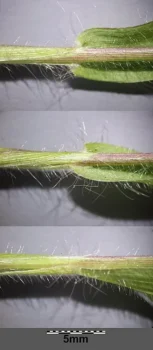
Gattinger’s Panicgrass: A Delicate Native Gem for Your Garden
If you’re looking to add some fine-textured, understated elegance to your native plant garden, let me introduce you to Gattinger’s panicgrass (Panicum gattingeri). This charming little annual grass might not be the showiest plant in your garden, but it’s definitely one of the most ecologically valuable – and it comes with an interesting conservation story that makes it extra special.
What Makes Gattinger’s Panicgrass Special?
Gattinger’s panicgrass is a delicate annual grass native to much of eastern North America. Don’t let its modest appearance fool you – this little grass packs a big ecological punch. It produces airy, fine-textured seed heads that dance gracefully in the breeze and provide food for songbirds and small wildlife throughout the fall and winter.
You might also see this plant listed under its scientific synonyms, including Panicum capillare var. campestre or Panicum philadelphicum ssp. gattingeri, but Panicum gattingeri is the accepted name today.
Where Does It Call Home?
This native beauty has quite an impressive range, naturally occurring across a vast swath of North America. You’ll find it growing wild from southeastern Canada (Ontario and Quebec) down through the eastern United States, including Alabama, Arkansas, Connecticut, Georgia, Illinois, Indiana, Iowa, Kentucky, Maryland, Massachusetts, Michigan, Minnesota, Missouri, New Jersey, New York, North Carolina, Ohio, Oklahoma, Pennsylvania, Tennessee, Virginia, and West Virginia, plus the District of Columbia.
- Species observed
- No observations
A Conservation Success Story (With a Caveat)
Here’s where things get interesting – and important. While Gattinger’s panicgrass has a wide native range, it’s actually quite rare in some areas. In New Jersey, for example, it’s listed as S1 (critically imperiled) and is on the Highlands Listed species roster. This means if you live in areas where it’s rare, you should only plant it using responsibly sourced material from reputable native plant nurseries or seed suppliers who can verify the genetic provenance of their stock.
Perfect Spots in Your Garden
Gattinger’s panicgrass is wonderfully adaptable, which explains its wide natural range. It has a facultative wetland status across all regions, meaning it’s equally happy in moist spots and well-drained areas. This flexibility makes it perfect for:
- Native plant gardens and prairie restorations
- Naturalized areas where you want a soft, natural look
- Transitional zones between wet and dry areas of your landscape
- Understory plantings beneath native trees and shrubs
- Rain gardens and bioswales
Growing Conditions and Care
One of the best things about this little grass is how easy-going it is. Gattinger’s panicgrass thrives in USDA hardiness zones 3-8 and adapts to a variety of growing conditions:
- Light: Partial shade to full sun
- Soil: Adaptable to various soil types, from moist to moderately dry
- Water: Moderate moisture, but drought-tolerant once established
- Maintenance: Practically none – this is a plant it and forget it species
As an annual, it completes its life cycle in one growing season, but don’t worry about having to replant every year. Gattinger’s panicgrass self-seeds readily, so you’ll likely have new plants appearing each spring once you get it established.
Wildlife and Pollinator Benefits
While it may look delicate, this grass is a wildlife powerhouse. The fine seeds are beloved by many songbird species, including sparrows, finches, and juncos. Small insects visit the flowers for pollen, and the grass provides cover for beneficial insects and small wildlife. It’s particularly valuable because it produces seeds later in the season when many other food sources are becoming scarce.
Planting and Propagation Tips
Growing Gattinger’s panicgrass from seed is straightforward, though you’ll want to be patient – like many native grasses, it can take a season or two to really establish itself:
- Sow seeds in fall for best germination the following spring
- Lightly rake seeds into the soil surface – they need light to germinate
- Keep the seedbed moderately moist until germination
- Allow plants to go to seed in their first year to encourage natural reseeding
Should You Plant Gattinger’s Panicgrass?
If you’re within its native range and looking for a low-maintenance, ecologically beneficial grass that adds subtle texture to your landscape, Gattinger’s panicgrass is an excellent choice. It’s particularly valuable for gardeners interested in supporting native wildlife and creating naturalized spaces.
Just remember that if you’re in an area where it’s rare (like New Jersey), make sure you source your seeds or plants responsibly from suppliers who can verify their provenance. This helps protect wild populations while still allowing you to enjoy this lovely native in your own garden.
With its delicate beauty, ecological value, and easy-care nature, Gattinger’s panicgrass proves that sometimes the most unassuming plants can be the most rewarding additions to our native gardens.