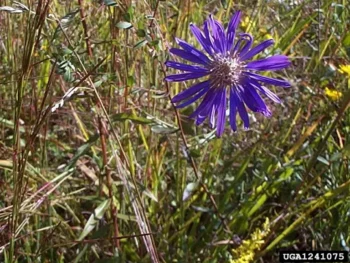
Georgia Aster: A Rare Fall Gem Worth Growing Responsibly
If you’re looking for a native wildflower that brings a burst of purple magic to your garden just when everything else is winding down for the year, meet the Georgia aster (Symphyotrichum georgianum). This delightful southeastern native might not be the showiest plant in your garden, but it’s got character, charm, and some serious conservation street cred.
What Makes Georgia Aster Special?
Georgia aster is a perennial forb—basically a fancy way of saying it’s a non-woody flowering plant that comes back year after year. What makes this little beauty stand out is its timing. While most flowers are calling it quits by late summer, Georgia aster is just getting started, producing clouds of small purple to violet flowers from September through November.
The plant typically grows 2-4 feet tall with a somewhat spreading habit, featuring narrow, linear leaves that create a delicate, airy texture in the landscape. It’s not going to knock your socks off with bold foliage, but those fall blooms? Pure poetry.
Where Does Georgia Aster Call Home?
True to its name, Georgia aster is a southeastern native, naturally occurring in Alabama, Florida, Georgia, Louisiana, North Carolina, and South Carolina. It’s perfectly adapted to the climate and growing conditions of these areas, making it a fantastic choice for gardeners in USDA hardiness zones 8-10.
- Species observed
- No observations
A Word About Rarity (This Is Important!)
Here’s where things get serious for a moment. Georgia aster has a global conservation status of S3, which means it’s considered vulnerable throughout its range. With typically only 21 to 100 occurrences and between 3,000 and 10,000 individuals remaining, this plant needs our help.
If you decide to grow Georgia aster (and we hope you do!), please make sure you source it responsibly. This means:
- Purchase from reputable native plant nurseries
- Never dig plants from the wild
- Ask about the source of the plants you’re buying
- Consider growing it to help increase its numbers in cultivation
Why Your Garden (and Local Wildlife) Will Love It
Georgia aster is like that friend who shows up with pizza just when you need it most. When fall arrives and most flowers have packed up for the season, this aster provides crucial late-season nectar for butterflies, bees, and other pollinators preparing for winter.
In your garden design, Georgia aster works beautifully in:
- Native plant gardens
- Wildflower meadows
- Naturalized areas
- Pollinator gardens
- Fall-interest plantings
It’s perfect for creating that effortless, just happened to grow there look that’s so coveted in naturalistic garden design.
Growing Georgia Aster Successfully
The good news is that Georgia aster isn’t particularly fussy once you understand its preferences. Here’s how to keep it happy:
Light: Full sun to partial shade (though it blooms best with plenty of sunshine)
Soil: Adaptable to various soil types, including sandy and clay soils. Good drainage is appreciated but not absolutely critical.
Water: Drought tolerant once established, but appreciates regular water during its first growing season
Maintenance: Minimal! This is a low-maintenance plant that pretty much takes care of itself
Planting and Care Tips
Plant Georgia aster in spring or fall when temperatures are moderate. Space plants about 18-24 inches apart to allow for their spreading habit. Water regularly the first year to help establish a strong root system, then step back and let nature take over.
The plant may self-seed if conditions are right (lucky you!), and benefits from occasional division every 3-4 years to maintain vigor. You can divide in early spring before new growth begins or in fall after flowering.
The Bottom Line
Georgia aster might not be the flashiest plant at the garden center, but it offers something truly special: the chance to grow a beautiful, ecologically important native plant while contributing to conservation efforts. Its late-season blooms provide critical resources for pollinators, its delicate beauty adds textural interest to naturalistic plantings, and its easy-care nature makes it perfect for both novice and experienced gardeners.
Just remember to source it responsibly—this rare beauty deserves our respect and protection. When you plant Georgia aster, you’re not just adding another flower to your garden; you’re becoming part of its conservation story.