Georgia Holly: A Hidden Gem for Southern Native Gardens
If you’re looking for a native shrub that delivers year-round interest without demanding constant attention, meet Georgia holly (Ilex longipes). This charming deciduous holly might not be as famous as its evergreen cousins, but it’s a delightful addition to any southern garden that values both beauty and wildlife support.
What Makes Georgia Holly Special?
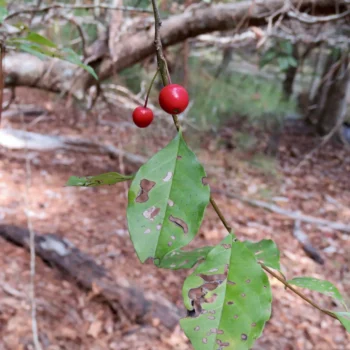
Georgia holly is a true southern native, naturally occurring across eleven states from Virginia down to Texas, with strongholds throughout the coastal plains and piedmont regions. Unlike the familiar evergreen hollies, this perennial shrub drops its leaves each fall, but not before putting on quite a show with bright yellow autumn color and clusters of brilliant red berries that persist well into winter.
This multi-stemmed woody plant typically reaches 4-5 meters (13-16 feet) in height, though it often stays more compact in garden settings. Its clean, simple leaves and graceful branching pattern make it an elegant choice for naturalized landscapes.
- Species observed
- No observations
A Word About Rarity
Before we dive into growing tips, there’s something important to know: Georgia holly has a rarity status of S3 in Arkansas and Georgia, meaning it’s somewhat uncommon in these states. If you’re planning to add this beauty to your garden, please source your plants responsibly from reputable native plant nurseries that propagate their stock rather than wild-collect it. This helps protect wild populations while still allowing gardeners to enjoy this special plant.
Why Choose Georgia Holly for Your Garden?
Here’s where Georgia holly really shines in the garden landscape:
- Wildlife magnet: The spring flowers provide nectar for bees and other small pollinators, while the bright red berries feed birds throughout winter
- Seasonal interest: Four-season appeal with spring blooms, summer foliage, fall color, and winter berries
- Versatile placement: Thrives in both wetland and upland conditions, making it adaptable to various garden spots
- Low maintenance: Once established, it’s remarkably drought tolerant and pest-resistant
Perfect Garden Companions
Georgia holly fits beautifully into several garden styles:
- Woodland gardens where its natural grace complements ferns and wildflowers
- Rain gardens, thanks to its facultative wetland status
- Native plant gardens as a backbone shrub
- Wildlife habitats where its berries provide crucial winter food
- Mixed shrub borders for seasonal variety
Growing Georgia Holly Successfully
Hardiness: Thrives in USDA zones 7-9, making it perfect for most of the Southeast.
Light requirements: Adaptable from partial shade to full sun, though it appreciates some afternoon shade in the hottest climates.
Soil preferences: Here’s where Georgia holly really shows its easy-going nature. According to wetland status data, it can handle everything from wetland conditions to well-drained upland soils. Whether your soil stays moist or dries out between rains, this holly can adapt.
Planting tips:
- Plant in spring after the last frost date
- Dig a hole twice as wide as the root ball but no deeper
- Water deeply but infrequently to encourage deep root growth
- Apply a 2-3 inch layer of organic mulch around the base
Caring for Your Georgia Holly
Once established, Georgia holly is wonderfully low-maintenance. Water regularly during the first year, then let nature take over – this native is built to handle your local climate conditions. If pruning is needed, tackle it in late winter before new growth begins. The natural form is quite attractive, so minimal pruning is usually best.
The Bottom Line
Georgia holly offers southern gardeners a chance to grow something truly special – a native shrub that supports local wildlife while providing year-round garden interest. Its adaptability to various growing conditions, combined with its natural beauty and ecological benefits, makes it an excellent choice for gardeners who want to make a positive impact on their local ecosystem.
Just remember to source your plants responsibly, and you’ll have a beautiful, low-maintenance shrub that connects your garden to the natural heritage of the South. Your local birds will thank you come winter, and you’ll enjoy the satisfaction of growing a true native gem.