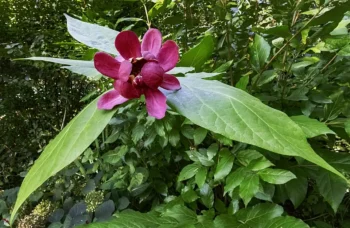
Georgia Sweetshrub: A Rare Native Gem Worth Protecting
If you’ve stumbled across the name Georgia sweetshrub (Calycanthus brockianus), you’ve discovered one of the Southeast’s most elusive native plants. This rare shrub represents a fascinating piece of Georgia’s botanical heritage, though finding reliable information about it can feel like searching for a needle in a haystack.
What Makes Georgia Sweetshrub Special?
Georgia sweetshrub is a perennial shrub that belongs to the native flora of the lower 48 states, specifically calling Georgia home. Like other members of the Calycanthus family, it’s a multi-stemmed woody plant that typically grows less than 13-16 feet tall, with several stems emerging from or near the ground.
Geographic Distribution and Rarity
This shrub has an extremely limited range, found only in Georgia. What makes this plant particularly noteworthy is its conservation status of S1?Q, which indicates it’s likely very rare, though there’s some uncertainty about its exact taxonomic classification.
- Species observed
- No observations
Should You Plant Georgia Sweetshrub?
Here’s where things get tricky. While supporting native plants is always admirable, Georgia sweetshrub’s rarity status means you should proceed with extreme caution. If you’re considering adding this plant to your garden, here are the key points to consider:
- Rarity concerns: With its S1?Q status, this plant may be critically rare in the wild
- Limited availability: You’re unlikely to find this species at your local nursery
- Responsible sourcing: Any plant material must come from ethically sourced, propagated stock—never wild-collected plants
- Conservation value: Growing rare natives can contribute to species preservation when done responsibly
Growing Conditions and Care
Unfortunately, specific growing requirements for Calycanthus brockianus are not well-documented in horticultural literature. This lack of information reflects just how rare and understudied this species is. If you do obtain responsibly sourced material, you might try conditions similar to other Calycanthus species, but proceed with careful observation and patience.
Alternative Options
If you’re drawn to the idea of growing a native sweetshrub but can’t source Georgia sweetshrub responsibly, consider these alternatives:
- Carolina sweetshrub (Calycanthus floridus): More widely available and well-studied
- Other native Georgia shrubs: Spicebush, native azaleas, or oakleaf hydrangea
The Bottom Line
Georgia sweetshrub represents the fascinating complexity of native plant conservation. While we celebrate and want to support rare native species, the responsibility that comes with growing them is significant. If you’re passionate about this particular plant, consider supporting botanical gardens or conservation organizations working to study and preserve Georgia’s rare flora.
Sometimes the best way to love a rare plant is to admire it from afar while supporting the scientists and conservationists working to understand and protect it in its natural habitat.