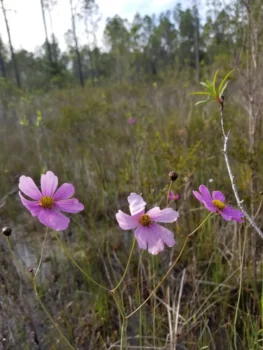
Georgia Tickseed: A Rare Gem for Your Wetland Garden
If you’re looking to add a splash of sunshine to your bog garden or wetland area, Georgia tickseed might just be the perfect native wildflower you’ve been searching for. This charming southeastern beauty brings bright yellow blooms to wet spaces where many other flowers fear to tread.
What Makes Georgia Tickseed Special?
Georgia tickseed (Coreopsis nudata) is a perennial forb that’s perfectly at home in consistently moist conditions. Unlike its more drought-tolerant Coreopsis cousins, this species has evolved specifically for wetland environments. It produces delicate, bright yellow daisy-like flowers that dance above slender stems, creating a cheerful display from late spring through summer.
Where Does It Call Home?
This native beauty is found naturally across the southeastern coastal plains, including Alabama, Florida, Georgia, Louisiana, and Mississippi. It’s a true child of the South, thriving in the region’s unique wetland ecosystems.
- Species observed
- No observations
A Word of Caution: Handle with Care
Before you rush out to add Georgia tickseed to your garden, there’s something important you should know. This plant is considered rare, with a global conservation status that’s somewhat uncertain and a rarity ranking of S1 (critically imperiled) in both Alabama and Georgia. This means it’s quite uncommon in the wild and needs our protection.
If you’re determined to grow this special plant, please make sure you source it responsibly from reputable native plant nurseries that propagate their own stock rather than collecting from wild populations. Never dig plants from the wild!
Is Georgia Tickseed Right for Your Garden?
Georgia tickseed isn’t your typical garden flower – it has very specific needs that make it perfect for certain situations but challenging for others. Here’s what you need to know:
Perfect If You Have:
- A bog garden or rain garden
- Consistently wet or moist soil
- Areas around ponds or water features
- Full sun to partial shade conditions
- USDA hardiness zones 8-10
Not Ideal If:
- Your soil drains well or tends to dry out
- You prefer low-maintenance plants
- You live outside the southeastern United States
- You don’t have consistently moist conditions
Growing Georgia Tickseed Successfully
This wetland specialist has earned its Obligate Wetland status, meaning it almost always occurs in wetlands in nature. Here’s how to keep it happy in your garden:
Soil and Water Requirements
The most crucial factor for success is moisture. Georgia tickseed needs consistently moist to wet soil – think bog conditions rather than regular garden soil. It prefers acidic to neutral pH levels, similar to what you’d find in natural wetlands.
Light Conditions
Provide full sun to partial shade. While it can tolerate some shade, you’ll get the best flowering display with at least 6 hours of direct sunlight daily.
Planting Tips
Plant in spring after the last frost. Choose a location where water naturally collects or where you can maintain consistent moisture through irrigation. Space plants about 12-18 inches apart to allow for natural spreading.
Ongoing Care
Once established, Georgia tickseed is relatively low-maintenance as long as its moisture needs are met. Avoid fertilizing heavily – these plants are adapted to nutrient-poor wetland soils. Deadheading spent flowers can encourage more blooms, though leaving some seed heads provides food for wildlife.
Benefits for Pollinators and Wildlife
Like other Coreopsis species, Georgia tickseed is a magnet for pollinators. Its bright yellow flowers attract native bees, butterflies, and other beneficial insects. The seeds also provide food for birds, making it a valuable addition to wildlife-friendly gardens.
The Bottom Line
Georgia tickseed is a specialized plant for specialized gardens. If you have the right conditions – consistent moisture, appropriate climate, and a commitment to responsible sourcing – it can be a rewarding addition to your native plant collection. However, if you’re looking for a more adaptable yellow wildflower, consider other native Coreopsis species like lanceleaf coreopsis or threadleaf coreopsis that are better suited to typical garden conditions.
Remember, growing rare plants comes with responsibility. By choosing Georgia tickseed, you’re not just adding beauty to your garden – you’re also helping preserve a special piece of our southeastern heritage.