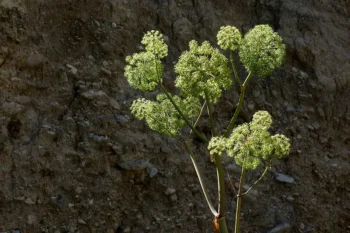
Giant Angelica: A Towering Native Beauty for Wet Gardens
If you’re looking for a dramatic native plant that can handle wet feet and attract pollinators, meet giant angelica (Angelica ampla). This impressive perennial brings both height and ecological value to gardens, though it’s definitely not your typical backyard flower.
What Is Giant Angelica?
Giant angelica is a native perennial forb that belongs to the carrot family. Don’t let the forb label fool you – this plant can reach impressive heights and makes a bold statement wherever it grows. As a perennial, it comes back year after year, developing into an increasingly impressive specimen over time.
Where Does Giant Angelica Come From?
This Rocky Mountain native calls Colorado, New Mexico, and Wyoming home. It’s perfectly adapted to the unique conditions of the American West, where it thrives in mountain meadows and along streams.
- Species observed
- No observations
Why Consider Giant Angelica for Your Garden?
Giant angelica offers several compelling reasons to earn a spot in your landscape:
- Dramatic presence: Its tall stature and large umbel flowers create stunning focal points
- Pollinator magnet: The broad, flat flower clusters attract bees, beneficial insects, and other pollinators
- Native authenticity: Supporting local ecosystems with truly native plants
- Moisture tolerance: Thrives where many other plants struggle in wet conditions
What Does Giant Angelica Look Like?
Picture a plant that commands attention with its bold architectural form. Giant angelica produces large, umbrella-like clusters of small white to cream-colored flowers that can span several inches across. These impressive blooms sit atop sturdy stems, creating a striking display that’s both wild and elegant.
Perfect Garden Situations
Giant angelica shines in specific garden settings:
- Native plant gardens: Essential for authentic Rocky Mountain landscapes
- Rain gardens: Excellent choice for areas that collect water
- Riparian zones: Natural fit alongside streams or pond edges
- Wildflower meadows: Provides structure and height variation
- Background plantings: Creates dramatic backdrops for shorter plants
Growing Conditions That Make Giant Angelica Happy
Success with giant angelica depends on mimicking its natural habitat:
- Moisture: Consistently moist to wet soil is essential – this plant doesn’t tolerate drought
- Sun exposure: Partial shade to full sun, with some protection during intense afternoon heat
- Climate zones: Hardy in USDA zones 4-7, perfect for cooler mountain climates
- Soil type: Adaptable to various soil types as long as moisture is consistent
Planting and Care Tips
Growing giant angelica successfully requires attention to its moisture needs:
- Location selection: Choose spots that naturally stay moist or where you can provide consistent irrigation
- Soil preparation: Ensure good drainage while maintaining moisture retention
- Watering: Never let the soil dry out completely, especially during establishment
- Spacing: Give plants room to reach their full potential without crowding
Important Conservation Note
Giant angelica has a conservation status of S3S4, indicating it may be somewhat rare in parts of its range. If you decide to grow this plant, make sure to source it from reputable native plant nurseries that propagate their own stock rather than collecting from wild populations. This helps protect natural stands while still allowing gardeners to enjoy this remarkable native.
Wetland Benefits
Giant angelica earns a Facultative Wetland designation across its range, meaning it usually grows in wetland conditions but can occasionally survive in drier spots. This makes it particularly valuable for gardens designed to manage stormwater or for properties with naturally wet areas that need attractive, functional plantings.
Is Giant Angelica Right for Your Garden?
Consider giant angelica if you have consistently moist conditions and want to create authentic Rocky Mountain native plant communities. It’s not the right choice for dry gardens or areas where you can’t provide adequate water. However, for the right location, it offers unmatched drama and ecological benefits that make it worth the extra attention to its moisture needs.
This impressive native proves that sometimes the most rewarding garden plants are those that ask us to work with nature’s preferences rather than against them.