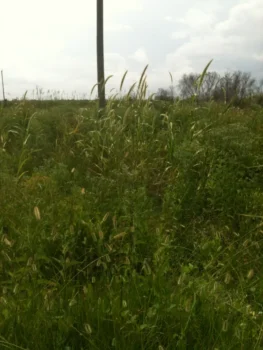
Giant Bristlegrass: A Towering Native Grass Worth Considering
If you’re looking for a native grass that makes a bold statement in your landscape, giant bristlegrass (Setaria magna) might just be the showstopper you’ve been seeking. This impressive annual grass lives up to its name, reaching heights of 3-6 feet and creating dramatic texture in naturalized areas and wetland gardens.
What Is Giant Bristlegrass?
Giant bristlegrass is a robust annual grass native to the southeastern United States and Puerto Rico. Also known by its synonym Chaetochloa magna, this grass belongs to the same family as more familiar grasses, sedges, and rushes. True to its common name, it produces distinctive bristly seed heads that give it a wild, untamed appearance that many native plant enthusiasts find irresistible.
Where Does It Naturally Grow?
This native beauty calls home to a broad swath of the southeastern United States, naturally occurring in Alabama, Arkansas, Delaware, Florida, Georgia, Louisiana, Maryland, Mississippi, New Jersey, New Mexico, North Carolina, South Carolina, Texas, Virginia, and Puerto Rico.
- Species observed
- No observations
A Word of Caution: Rarity Considerations
Before you rush to plant giant bristlegrass, there’s something important to know. This species has become quite rare in some areas where it once thrived. In Arkansas, it carries a rarity status of SH (historically present but not recently documented), while in New Jersey, it’s listed as S2 (imperiled) and appears on the Highlands Listed species. If you’re interested in growing this grass, please ensure you source seeds or plants from reputable native plant nurseries that collect responsibly and legally.
Growing Conditions and Habitat Preferences
Giant bristlegrass is what botanists call a facultative wetland plant, which is a fancy way of saying it loves wet feet but can tolerate drier conditions too. This adaptable grass thrives in:
- Moist to wet soils
- Full sun to partial shade
- Areas that experience seasonal flooding
- USDA hardiness zones 8-11
Its preference for wet conditions makes it an excellent choice for rain gardens, pond edges, or naturally low-lying areas in your landscape that tend to stay moist.
Why Grow Giant Bristlegrass?
While this grass may not be a pollinator magnet (it’s wind-pollinated, after all), it offers significant benefits to wildlife. According to wildlife management research, giant bristlegrass provides 5-10% of the diet for small mammals, water birds, and terrestrial birds. That might not sound like much, but every bit counts when it comes to supporting our native wildlife.
From a design perspective, giant bristlegrass serves as an excellent:
- Background plant in native wildflower meadows
- Dramatic accent in rain gardens
- Screening element in naturalized areas
- Texture contrast against broad-leaved native plants
Planting and Care Tips
Since giant bristlegrass is an annual, you’ll need to replant it each year or allow it to self-seed (which it does quite readily). Here’s how to grow it successfully:
- Direct seed in spring after the last frost
- Choose a location with consistent moisture
- Provide full sun for best growth, though partial shade is tolerated
- Allow adequate space – this grass can get quite large
- Be patient – as an annual, it completes its entire life cycle in one growing season
The good news? Once established, giant bristlegrass is relatively low-maintenance and will likely self-seed for future seasons if growing conditions remain favorable.
Is Giant Bristlegrass Right for Your Garden?
This native grass is perfect for gardeners who want to support wildlife while adding dramatic texture to their landscape. It’s particularly well-suited for:
- Native plant enthusiasts
- Wildlife gardeners
- Those with naturally wet or low-lying areas
- Gardeners interested in wetland restoration
- Anyone seeking a bold, naturalized look
However, keep in mind its annual nature means you’ll need to replant or rely on self-seeding each year. Also, given its rarity status in some regions, always source this plant responsibly from reputable native plant suppliers.
Giant bristlegrass may not be the showiest flower in the garden, but it brings its own unique charm and ecological value to native landscapes. For the right gardener in the right location, it’s a towering testament to the beauty and functionality of our native flora.