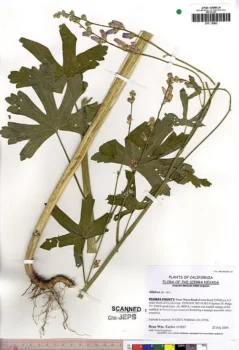
Giant Checkerbloom: A California Native Worth Protecting in Your Garden
Meet the giant checkerbloom (Sidalcea gigantea), a stunning California native that’s as rare as it is beautiful. This perennial forb might not be a household name, but it deserves a spot in every native plant enthusiast’s garden – with a few important caveats we’ll discuss.
What Makes Giant Checkerbloom Special?
Giant checkerbloom is a true California original, found exclusively in the Golden State’s coastal areas and foothills. As a herbaceous perennial, it lacks woody stems but makes up for it with gorgeous pink to rose-colored flowers that dance atop tall spikes from summer through early fall. The mallow-like blooms are absolutely magnetic to pollinators, making this plant a powerhouse for supporting local wildlife.
Where Giant Checkerbloom Calls Home
This native beauty is found only in California, where it grows naturally in coastal regions and foothill areas. Unfortunately, its limited range contributes to its vulnerable conservation status.
- Species observed
- No observations
A Plant That Needs Our Help
Here’s where things get serious: giant checkerbloom has a Global Conservation Status of S3, meaning it’s considered vulnerable. With typically only 21 to 100 occurrences and between 3,000 to 10,000 individuals remaining, this plant is walking a tightrope toward potential extinction.
If you’re considering adding giant checkerbloom to your garden, please only purchase from reputable native plant nurseries that use responsibly sourced, ethically propagated material. Never collect seeds or plants from wild populations.
Garden Appeal and Design Uses
Despite its conservation concerns, giant checkerbloom offers tremendous garden value when grown responsibly:
- Tall, elegant flower spikes perfect for the back of borders
- Extended blooming period from summer to early fall
- Attracts bees, butterflies, and other beneficial insects
- Excellent for naturalized landscapes and cottage-style gardens
- Pairs beautifully with other California natives
Growing Conditions and Care
Giant checkerbloom is surprisingly easy to please once you understand its preferences:
- Sunlight: Full sun to partial shade
- Soil: Well-draining soil is essential
- Water: Moderate water needs, drought tolerant once established
- Hardiness: Thrives in USDA zones 8-10
Planting and Care Tips
Getting started with giant checkerbloom is straightforward:
- Plant in spring after the last frost date
- Provide consistent moisture during the first growing season
- Deadhead spent flowers to encourage continued blooming
- Allow plants to go dormant naturally in winter
- Mulch around plants to retain moisture and suppress weeds
The Pollinator Connection
One of giant checkerbloom’s greatest gifts is its ability to support pollinators. The nectar-rich flowers are particularly attractive to native bees and butterflies, making this plant an essential component of any pollinator garden. By growing giant checkerbloom, you’re not just adding beauty to your landscape – you’re providing critical habitat for struggling pollinator populations.
Should You Grow Giant Checkerbloom?
The answer is a cautious yes, with important conditions. If you live in California and can source plants or seeds responsibly, giant checkerbloom makes an excellent addition to native plant gardens, wildlife gardens, and naturalized landscapes. Your garden can become a refuge for this vulnerable species while supporting local pollinators.
However, remember that with great beauty comes great responsibility. By choosing to grow this rare native, you become a conservation steward. Always purchase from ethical sources, never collect from wild populations, and consider sharing seeds with other gardeners to help expand cultivated populations.
Giant checkerbloom proves that sometimes the most rewarding plants to grow are those that need our help the most. With proper care and responsible sourcing, you can enjoy this California treasure while contributing to its long-term survival.