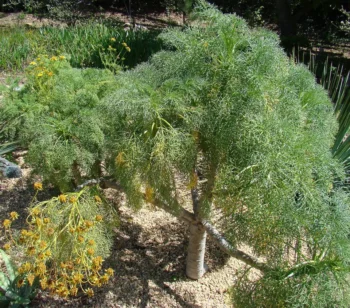
Giant Coreopsis: California’s Towering Native Wildflower
If you’re looking to add some serious height and sunshine to your California native garden, meet the giant coreopsis (Coreopsis gigantea). This impressive perennial wildflower lives up to its name, creating a dramatic display that can tower up to 8 feet tall with brilliant yellow blooms that seem to glow against coastal skies.
What Makes Giant Coreopsis Special
Giant coreopsis isn’t your typical backyard flower. This native California beauty combines the best of both worlds: stunning ornamental appeal and important ecological benefits. Its large, daisy-like yellow flowers bloom from late winter through spring, creating a spectacular show just when many other plants are still waking up from winter dormancy.
What’s particularly fascinating about this plant is its unique appearance. The thick, succulent-like blue-green foliage creates an architectural quality that looks almost sculptural in the landscape. Don’t let the common name fool you – while it can grow quite tall, it maintains an elegant, upright form that never feels overwhelming.
Where Giant Coreopsis Calls Home
This remarkable perennial is native to coastal California and the Channel Islands, with its range extending into Baja California. You’ll find it naturally growing in coastal scrub and chaparral communities, where it has adapted to the region’s Mediterranean climate and salt-laden ocean breezes.
- Species observed
- No observations
It’s worth noting that giant coreopsis has a conservation status of S3S4, which suggests it may be somewhat uncommon in its native range. If you’re interested in adding this plant to your garden, be sure to source it from reputable native plant nurseries that propagate their stock responsibly.
Perfect Garden Companions and Design Ideas
Giant coreopsis shines brightest in Mediterranean and coastal garden designs. Its towering presence makes it an excellent choice for:
- Back-of-border plantings where its height won’t overshadow smaller companions
- Focal points in native plant gardens
- Coastal landscapes where its salt tolerance is a major advantage
- Drought-tolerant garden designs
- Wildlife gardens focused on supporting pollinators
Pair it with other California natives like lavender, salvias, and manzanitas for a low-maintenance, water-wise landscape that celebrates the Golden State’s natural beauty.
Growing Giant Coreopsis Successfully
The good news is that giant coreopsis is surprisingly easy to grow once you understand its preferences. This perennial forb thrives in USDA hardiness zones 9-11, making it perfect for most of coastal and southern California.
Light and Soil Requirements: Give your giant coreopsis full sun and well-draining soil. It absolutely cannot tolerate wet feet, so avoid heavy clay or areas where water tends to collect. Sandy or rocky soils that mimic its native coastal habitat work beautifully.
Watering Wisdom: While young plants need regular water to establish, mature giant coreopsis is remarkably drought tolerant. During its first year, water deeply but infrequently. Once established, it can thrive on natural rainfall in most coastal areas, though occasional summer water will keep it looking its best.
Planting Tips: Spring is the ideal planting time, giving the plant a full growing season to establish before facing its first winter. Space plants 3-4 feet apart to allow for their mature spread.
Maintenance Made Simple
One of giant coreopsis’s best qualities is its low-maintenance nature. Here’s how to keep it happy:
- Deadhead spent flowers to encourage continued blooming
- Cut back the entire plant after flowering to maintain a tidy appearance
- Avoid fertilizers – this plant prefers lean soil conditions
- Watch for overwatering, which is the most common cause of problems
Wildlife and Pollinator Benefits
Giant coreopsis isn’t just beautiful – it’s also an ecological powerhouse. The abundant yellow flowers provide nectar for butterflies, bees, and other beneficial insects throughout the blooming season. The seeds that follow offer food for birds, making this plant a valuable addition to any wildlife-friendly garden.
Is Giant Coreopsis Right for Your Garden?
This native beauty is an excellent choice if you:
- Live in coastal California or other Mediterranean climates
- Want a low-water, high-impact plant
- Enjoy supporting native wildlife and pollinators
- Appreciate plants with architectural presence
- Need something that can handle salt spray and coastal conditions
However, giant coreopsis might not be the best fit if you garden in areas with high humidity, heavy clay soil, or regions outside of zones 9-11. Its specific needs make it happiest in conditions that closely match its native habitat.
With its towering beauty, ecological benefits, and surprisingly easy care requirements, giant coreopsis deserves a spot in more California gardens. Just remember to source your plants responsibly to help protect this special native species for future generations to enjoy.