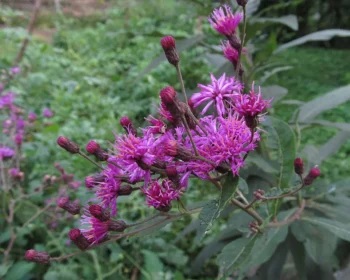
Giant Ironweed: A Towering Native Beauty for Your Garden
If you’re looking for a native plant that makes a bold statement in your garden while supporting local wildlife, giant ironweed might just be your new best friend. This impressive perennial brings both height and late-season color to landscapes across much of North America, proving that native plants can be just as stunning as any exotic import.
What is Giant Ironweed?
Giant ironweed (Vernonia gigantea) is a robust perennial forb that truly lives up to its name. This herbaceous native can tower over other garden plants, reaching impressive heights while producing clusters of vibrant purple flowers that bloom when many other plants are calling it quits for the season.
As a perennial, this plant returns year after year, making it an excellent investment for gardeners who want long-term beauty with minimal replanting effort.
Where Does Giant Ironweed Call Home?
This adaptable native has quite an impressive range, naturally occurring across a vast swath of North America. You’ll find giant ironweed growing wild from Canada down through the eastern and central United States, including states like Alabama, Arkansas, Delaware, Florida, Georgia, Illinois, Indiana, Iowa, Kansas, Kentucky, Louisiana, Maryland, Michigan, Mississippi, Missouri, New York, North Carolina, Ohio, Oklahoma, Pennsylvania, South Carolina, Tennessee, Texas, Virginia, and West Virginia, plus Ontario, Canada.
- Species observed
- No observations
This extensive native range means that giant ironweed is well-adapted to a variety of growing conditions and climates, making it a reliable choice for gardeners across much of the continent.
Why You’ll Love Giant Ironweed in Your Garden
There are plenty of reasons to fall in love with this towering beauty:
- Late-season color: When summer flowers are fading, giant ironweed bursts into bloom with clusters of rich purple flowers
- Pollinator magnet: Butterflies, bees, and other beneficial insects flock to its nectar-rich blooms
- Low maintenance: Once established, this tough native requires minimal care
- Impressive height: Creates dramatic vertical interest in the garden
- Adaptable: Thrives in various moisture conditions from wet to moderately dry soils
- Wildlife support: Seeds provide food for birds, and the plant supports native insect populations
Perfect Spots for Giant Ironweed
Giant ironweed shines in several garden settings:
- Back of borders: Its impressive height makes it perfect for the back of perennial borders
- Prairie gardens: A natural choice for native plant and prairie-style landscapes
- Rain gardens: Its facultative wetland status means it can handle occasional flooding
- Pollinator gardens: Essential for late-season pollinator support
- Naturalized areas: Great for areas where you want a more wild, natural look
Growing Giant Ironweed Successfully
Growing Conditions
Giant ironweed is remarkably adaptable, which is part of what makes it such a great garden choice:
- Sunlight: Prefers full sun but tolerates partial shade
- Soil: Adaptable to various soil types, from moist to moderately dry
- Moisture: Can handle both wet and dry conditions once established
- Hardiness: Thrives in USDA zones 4-9
Planting and Care Tips
Getting giant ironweed established in your garden is straightforward:
- Planting time: Spring or fall are ideal planting times
- Spacing: Give plants plenty of room to spread, as they can form colonies over time
- Support: In windy locations or rich soils, tall plants may benefit from staking
- Maintenance: Cut back in late fall or early spring; deadheading can prevent excessive self-seeding if desired
- Watering: Water regularly the first year to establish roots; drought-tolerant once mature
A Few Things to Consider
While giant ironweed is generally well-behaved, there are a few things to keep in mind:
- It can spread by underground rhizomes, so give it room to roam or be prepared to divide it
- The height might overwhelm smaller garden spaces
- In very rich soils, it may grow taller and require staking
- Some gardeners find the late-season growth habit leaves gardens looking sparse in early summer
The Bottom Line
Giant ironweed is a fantastic choice for gardeners who want to support native wildlife while adding dramatic late-season color to their landscapes. Its adaptability, low maintenance requirements, and impressive pollinator benefits make it a valuable addition to naturalized areas, prairie gardens, and pollinator gardens. While it may not be suitable for every garden due to its size and spreading habit, in the right location, giant ironweed can be a real showstopper that keeps giving back to your local ecosystem year after year.
If you’re ready to go big and bold with a native plant that truly earns its place in the garden, giant ironweed might be exactly what your landscape needs.