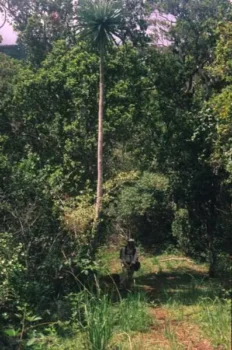
Giant Kokee Cyanea: A Rare Hawaiian Treasure Worth Protecting
Meet the giant kokee cyanea (Cyanea leptostegia), one of Hawaii’s most remarkable yet endangered native plants. This stunning endemic species represents both the incredible biodiversity of the Hawaiian Islands and the urgent need for conservation action in our gardens and landscapes.
A True Hawaiian Native
The giant kokee cyanea is exclusively native to Hawaii, making it a genuine piece of the islands’ natural heritage. This impressive plant calls only the island of Kauai home, where it grows in the cool, misty forests of the Kokee region. As a perennial tree that can reach heights of 13-16 feet or more, it’s a commanding presence in its native montane forest habitat.
- Species observed
- No observations
Why This Plant Matters (And Why Growing It Is Complicated)
Here’s where things get serious: the giant kokee cyanea is imperiled. With a conservation status of S2, this species teeters on the edge with only 6-20 known occurrences and an estimated 1,000-3,000 individuals remaining in the wild. This rarity makes it both incredibly valuable and extremely challenging for home gardeners.
If you’re considering adding this plant to your garden, you absolutely must source it responsibly from reputable conservation nurseries or botanical gardens with proper propagation programs. Never collect from wild populations – every plant in nature is precious for the species’ survival.
What Makes It Special
The giant kokee cyanea isn’t just rare – it’s genuinely striking. As a member of the bellflower family, it produces distinctive flowers that likely evolved alongside native Hawaiian birds. Its large, dramatic leaves and tree-like stature make it a spectacular specimen plant, though you’ll need very specific conditions to succeed.
Growing Conditions: Not for Beginners
Let’s be honest – this isn’t a plant for casual gardeners. The giant kokee cyanea demands conditions that mirror its native cloud forest habitat:
- USDA Hardiness Zones 10-11 only (tropical/subtropical climates)
- High humidity levels consistently
- Cool temperatures despite the tropical zone requirements
- Filtered light, not full sun
- Consistent moisture without waterlogging
- Well-draining but moisture-retentive soil
Garden Role and Landscape Design
In the right setting, the giant kokee cyanea serves as an incredible specimen plant for:
- Specialized native Hawaiian gardens
- Conservation-focused landscapes
- Botanical collections
- Educational gardens highlighting endangered species
Its tree-like form and substantial size make it a natural focal point, but it needs companions that appreciate similar cool, moist conditions.
The Reality Check
While the giant kokee cyanea is undeniably magnificent, most gardeners should consider supporting its conservation in other ways. Contributing to botanical gardens with Hawaiian conservation programs or supporting habitat protection efforts might be more impactful than attempting to grow this challenging species at home.
If you’re determined to try, work with established conservation nurseries and be prepared for a long-term commitment to creating and maintaining very specific microclimate conditions.
Supporting Conservation
The best way to help the giant kokee cyanea might not be growing it yourself, but rather supporting the organizations working to protect its remaining wild populations and restore its native habitat. Every conservation success story helps ensure future generations can appreciate this remarkable Hawaiian endemic.
Sometimes the most loving thing we can do for a rare plant is to admire it from afar while supporting the experts working to bring it back from the brink of extinction.