Giant Red Indian Paintbrush: A Spectacular Native Wildflower for Your Garden
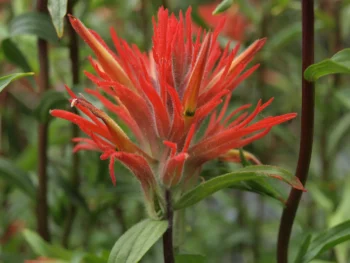
If you’re looking to add a splash of vibrant color to your native plant garden, the giant red Indian paintbrush (Castilleja miniata miniata) might just be the showstopper you’ve been searching for. This stunning perennial wildflower brings the beauty of Western mountain meadows right to your backyard with its brilliant red-orange blooms that look exactly like someone dipped paintbrushes in scarlet paint.
What Makes Giant Red Indian Paintbrush Special?
This remarkable native plant is a true American beauty, naturally occurring across an impressive range from Alaska down through the western United States and into several Canadian provinces. You’ll find it thriving in Alberta, British Columbia, Alaska, Manitoba, Arizona, California, Ontario, Colorado, Saskatchewan, Yukon, Idaho, Montana, Nevada, New Mexico, North Dakota, Oregon, Utah, Washington, and Wyoming. That’s quite the native range!
- Species observed
- No observations
As a perennial forb herb, giant red Indian paintbrush lacks the woody stems of shrubs and trees, instead producing soft, herbaceous growth that dies back in winter and returns each spring. This growth habit makes it perfect for wildflower gardens and naturalized landscapes where you want reliable color year after year.
Garden Appeal and Landscape Role
The giant red Indian paintbrush truly shines in native plant gardens, wildflower meadows, and naturalized areas. Its vibrant red-orange bracts create stunning focal points and work beautifully when planted in drifts or mixed with native grasses and other wildflowers. The plant’s unique appearance adds texture and drama to rock gardens and mountain-themed landscapes.
While specific height and width measurements aren’t available for this particular subspecies, Indian paintbrushes generally form attractive clumps that complement rather than overwhelm neighboring plants. Their upright growth habit and colorful blooms make them excellent for creating visual interest in the middle layer of mixed plantings.
Wildlife and Pollinator Benefits
One of the most compelling reasons to grow giant red Indian paintbrush is its value to wildlife. These brilliant blooms are particularly beloved by hummingbirds, whose long beaks are perfectly suited to reach the nectar hidden within the tubular flowers. You’ll also attract butterflies and native bees, making your garden a buzzing hub of beneficial activity.
Growing Conditions and Care
While specific growing requirements for Castilleja miniata miniata aren’t fully documented, Indian paintbrushes generally prefer:
- Well-draining soils (they don’t like soggy feet)
- Full sun to partial shade locations
- Moderate moisture levels
- Rocky or sandy soil conditions often found in their native mountain habitats
These plants are typically hardy in USDA zones 3-8, making them suitable for most temperate climates. Once established, they tend to be relatively low-maintenance, though they may benefit from the presence of nearby grasses due to their semi-parasitic nature.
Planting and Care Tips
Growing giant red Indian paintbrush can be somewhat challenging, as many Castilleja species have specific soil and companion plant requirements. Here are some tips for success:
- Plant in spring or fall when temperatures are moderate
- Choose a location with good drainage to prevent root rot
- Consider planting near native grasses, as some paintbrushes form beneficial relationships with grass roots
- Water regularly the first year to establish roots, then reduce watering as the plant matures
- Avoid heavy fertilization, as these plants prefer lean soils
A Note About Conservation
Giant red Indian paintbrush has varying conservation statuses across its range, with some areas showing undefined global conservation rankings. When sourcing this plant, always choose reputable native plant nurseries that propagate their stock rather than wild-collecting. This ensures you’re supporting sustainable gardening practices while protecting wild populations.
Is Giant Red Indian Paintbrush Right for Your Garden?
If you’re passionate about native plants, love supporting pollinators, and want to create a garden that celebrates the natural beauty of Western North America, giant red Indian paintbrush could be an excellent choice. Its stunning blooms, wildlife benefits, and native status make it a valuable addition to naturalized gardens and wildflower meadows.
Keep in mind that this isn’t necessarily a plant for formal gardens or high-maintenance landscapes. It’s best suited for gardeners who appreciate the wild, naturalistic beauty of mountain meadows and want to create habitat for hummingbirds and other native wildlife.
With its brilliant red paintbrush blooms and important ecological role, Castilleja miniata miniata offers both beauty and purpose—exactly what every thoughtful gardener hopes to achieve.