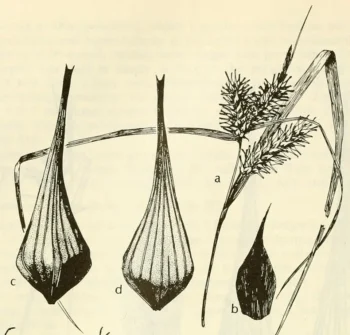
Giant Sedge: The Magnificent Native for Your Wetland Garden
If you’ve been searching for a show-stopping native plant that can handle the soggiest spots in your yard, meet the giant sedge (Carex gigantea). This impressive perennial lives up to its name, creating dramatic texture and natural beauty in wet areas where many other plants simply can’t survive.
What Makes Giant Sedge Special?
Giant sedge is a true American native, naturally occurring across 19 states from the Atlantic Coast to Texas and north through the Midwest. You’ll find this robust sedge thriving in Alabama, Arkansas, Delaware, Florida, Georgia, Illinois, Indiana, Kentucky, Louisiana, Maryland, Mississippi, Missouri, North Carolina, Ohio, Oklahoma, South Carolina, Tennessee, Texas, and Virginia.
- Species observed
- No observations
As a member of the sedge family (Cyperaceae), this grass-like perennial brings both structure and ecological value to your landscape. Its broad leaves and tall stature make it a standout choice for gardeners looking to add native drama to wet areas.
Why Choose Giant Sedge for Your Garden?
Giant sedge earns its place in the garden through several compelling qualities:
- Wetland warrior: Classified as an obligate wetland plant across multiple regions, it thrives in consistently moist to wet conditions
- Low maintenance: Once established, this perennial requires minimal care
- Wildlife habitat: Provides structure and shelter for various wildlife species
- Erosion control: Excellent for stabilizing wet, muddy areas
- Year-round interest: Maintains structure through multiple seasons
Perfect Spots for Giant Sedge
This adaptable native shines in several garden situations:
- Rain gardens and bioswales
- Pond and stream margins
- Bog gardens
- Wetland restoration projects
- Natural privacy screens in wet areas
- Areas with poor drainage
Growing Conditions and Care
Giant sedge is surprisingly easy to grow when you match its natural preferences:
Light: Full sun to partial shade – it’s quite flexible with light conditions
Soil: Consistently moist to wet soils. This plant actually prefers what many gardeners consider problem areas with poor drainage or periodic flooding.
Hardiness: Thrives in USDA zones 6-10, making it suitable for a wide range of climates
Spacing: Give each plant plenty of room to reach its full potential – this sedge can grow quite large
Planting and Maintenance Tips
Getting started with giant sedge is straightforward:
- Best planting time: Spring, after the last frost
- Soil preparation: No need to improve drainage – embrace those wet spots!
- Watering: Keep consistently moist; this plant can handle standing water
- Fertilizing: Generally unnecessary in appropriate growing conditions
- Pruning: Cut back in late winter before new growth begins
- Division: Divide every 3-4 years to maintain vigor and create new plants
A Word About Conservation
Here’s something important to consider: giant sedge has a rarity status of S1S2 in Arkansas, meaning it’s quite uncommon there. If you’re planning to add this beautiful native to your garden, please source your plants responsibly from reputable nurseries that propagate rather than wild-collect their stock. By choosing nursery-grown plants, you’re supporting conservation while enjoying this magnificent sedge in your own landscape.
The Bottom Line
Giant sedge offers gardeners a fantastic opportunity to work with nature rather than against it. Instead of fighting those perpetually soggy spots in your yard, embrace them with this stunning native sedge. You’ll create habitat for wildlife, support local ecosystems, and enjoy a low-maintenance plant that actually prefers the conditions that challenge so many other garden plants.
Whether you’re tackling a rain garden project, restoring a wetland area, or simply looking for a dramatic native plant that can handle wet feet, giant sedge deserves serious consideration. Just remember to source responsibly and enjoy watching this impressive native transform your wettest garden spots into beautiful, functional landscape features.