Giant Sequoia: Growing California’s Most Majestic Native Tree
Few trees command respect quite like the giant sequoia (Sequoiadendron giganteum). These towering titans are California’s botanical crown jewels, and while they’re not exactly your typical backyard tree, they can be absolutely stunning additions to the right landscape. Let’s dive into what makes these gentle giants so special and whether one might be right for your property.
Meet the Giant Sequoia
The giant sequoia is a perennial evergreen tree that’s as native to California as sunshine and surf. This magnificent species calls only the Golden State home, growing naturally in about 75 scattered groves along the western slopes of the Sierra Nevada mountains. You won’t find wild giant sequoias anywhere else on Earth – they’re California exclusives!
- Species observed
- No observations
Also known by several historical names including Sequoia gigantea and Sequoia wellingtonia, the giant sequoia has been capturing imaginations since it was first documented by botanists in the 1850s.
Why Consider a Giant Sequoia?
Here’s where things get interesting (and a bit complicated). Giant sequoias are absolutely spectacular trees with some serious wow factor:
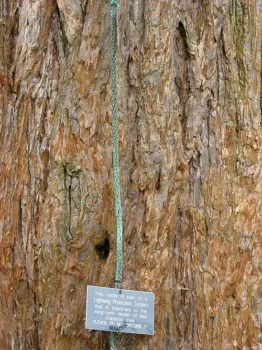
- Distinctive reddish-brown, fibrous bark that’s incredibly thick and fire-resistant
- Dense, fine-textured green foliage that stays beautiful year-round
- Impressive conical shape that creates stunning vertical drama
- Incredible longevity – these trees can live for thousands of years
- Native status supporting California’s natural heritage
But here’s the catch: these trees get BIG. We’re talking potentially 200 feet tall at maturity. Even at 20 years old, your sequoia could reach 35 feet. That’s a serious commitment!
Space: The Final Frontier
Let’s be honest – giant sequoias aren’t for small yards. These trees are best suited for:
- Large residential properties with plenty of room
- Parks and public spaces
- Botanical gardens and arboretums
- Estate plantings and memorial gardens
- Properties where a dramatic specimen tree is desired
If you’re working with a typical suburban lot, you might want to admire these beauties in their natural habitat instead.
Growing Conditions and Care
Giant sequoias have some specific preferences that reflect their mountain origins:
Climate and Hardiness: These trees thrive in USDA zones 6-8, handling temperatures as low as -24°F. They need at least 130 frost-free days and prefer areas with cool, moist winters.
Soil Requirements: They adapt well to coarse and medium-textured soils but struggle in fine, clay soils. The soil should drain well, with a pH between 5.5-7.5. Good news – they don’t need rich, fertile soil and actually prefer low-fertility conditions.
Water Needs: Moderate water requirements, needing about 35-55 inches of precipitation annually. They have medium drought tolerance once established but appreciate consistent moisture.
Sun Exposure: Full sun is essential. These trees are shade intolerant and need plenty of direct sunlight to thrive.
Planting and Care Tips
If you’ve got the space and are ready to commit, here’s how to give your giant sequoia the best start:
- Plant spacing: Allow for 400-800 trees per acre if doing multiple plantings
- Root depth: Ensure at least 40 inches of soil depth for proper root development
- Establishment: Be patient – seedlings have low vigor initially and growth is slow
- Watering: Deep, infrequent watering is better than frequent shallow watering
- Mulching: Apply organic mulch around the base, keeping it away from the trunk
- Pruning: Minimal pruning needed – let the tree maintain its natural conical shape
Propagation and Availability
Good news for interested gardeners – giant sequoias are routinely available commercially. They can be propagated by seeds, cuttings, or purchased as container plants or bare-root specimens. Seeds are available (about 90,720 seeds per pound!), and they require cold stratification to germinate properly.
Wildlife and Ecological Value
While giant sequoias don’t offer significant direct benefits to pollinators (they’re wind-pollinated), they do provide habitat value for various wildlife species in their native range. As a native California species, planting responsibly sourced giant sequoias supports local ecosystem preservation.
A Word About Conservation
Giant sequoias have a conservation status that deserves attention. With their limited natural range and the pressures of climate change, these trees face conservation challenges. If you decide to plant one, make sure to source it responsibly from reputable nurseries that propagate rather than collect from wild populations.
The Bottom Line
Giant sequoias are absolutely incredible trees that can be rewarding additions to the right landscape. They’re perfect if you have abundant space, want a living legacy that could outlast generations, and appreciate supporting California’s native plant heritage. Just remember – this is a tree that thinks big, grows slowly but surely, and expects a long-term commitment.
If space is limited, consider visiting these magnificent trees in their natural habitat or in botanical gardens where you can appreciate their grandeur without the 200-foot commitment in your backyard!