Giant White Wakerobin: A Spectacular Native Spring Beauty for Pacific Coast Gardens
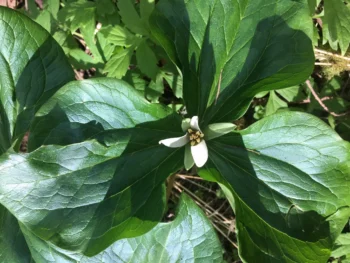
If you’re looking for a show-stopping native plant that’ll make your neighbors do a double-take every spring, meet the giant white wakerobin (Trillium albidum). This isn’t your average woodland wildflower – we’re talking about blooms that can stretch up to 6 inches across, making it one of the most impressive trilliums you can grow.
What Makes Giant White Wakerobin Special?
Giant white wakerobin is a native perennial forb that puts on quite the springtime spectacle. Picture this: pristine white flowers with three large petals emerging from a whorl of three broad leaves, all sitting atop a single stem. It’s like nature decided to create the perfect woodland centerpiece.
As a native species to the lower 48 states, this beauty has been gracing Pacific Coast forests long before any of us started thinking about native gardening. It grows naturally in California, Oregon, and Washington, where it has co-evolved with local wildlife and ecosystems.
- Species observed
- No observations
Why You’ll Want This in Your Garden
There are plenty of reasons to fall head-over-heels for giant white wakerobin:
- Native credentials: Supporting local ecosystems while reducing maintenance needs
- Spectacular blooms: Those massive white flowers are absolute showstoppers in spring
- Pollinator support: Attracts native flies and beetles that have co-evolved with trilliums
- Woodland charm: Perfect for creating that magical forest-floor feeling in shaded areas
- Low maintenance: Once established, it pretty much takes care of itself
Where Giant White Wakerobin Thrives
This woodland wonder is happiest in USDA hardiness zones 7-9, making it perfect for many Pacific Coast gardens. It prefers the dappled light and cool, humid conditions you’d find on a forest floor.
In terms of garden design, giant white wakerobin is a natural fit for:
- Shade gardens under mature trees
- Woodland or forest-style landscapes
- Native plant gardens focused on Pacific Northwest species
- Spring ephemeral displays that celebrate seasonal beauty
Growing Conditions That Make It Happy
Giant white wakerobin isn’t particularly fussy, but it does have some preferences rooted in its natural habitat:
- Light: Partial to full shade (think forest floor conditions)
- Soil: Moist, well-draining, humus-rich soil that mimics woodland duff
- Moisture: Consistent moisture without waterlogging
- Climate: Cool, humid conditions with protection from hot afternoon sun
The wetland status indicates it usually grows in non-wetland areas but can tolerate some moisture, making it quite adaptable to different garden situations.
Planting and Care Tips
Here’s where patience becomes a virtue. Giant white wakerobin is what we call a slow and steady plant:
- Timing: Plant rhizomes in fall when they’re dormant
- Depth: Plant about 3-4 inches deep in loose, organic-rich soil
- Spacing: Give them room to spread – about 12-18 inches apart
- Establishment: Be patient! They can take 2-3 years to really settle in
- Care: Once established, minimal care needed – just occasional watering during dry spells
The key to success is mimicking their natural forest habitat. Think cool, moist, and protected – like a cozy woodland hideaway.
A Few Things to Keep in Mind
While giant white wakerobin is generally well-behaved in gardens, there are a couple of things worth noting:
- It’s a spring ephemeral, meaning it’ll go dormant by mid-summer
- Growth rate is deliberately slow – this isn’t an instant gratification plant
- It’s best suited for gardeners in its native range (Pacific Coast states)
The Bottom Line
If you have a shady spot in your Pacific Coast garden and appreciate plants with serious wow-factor, giant white wakerobin deserves a place on your wish list. Yes, it requires patience, but those spectacular spring blooms and the satisfaction of growing a native species that supports local ecosystems make it absolutely worth the wait. Plus, once it’s happy, it’ll reward you with years of stunning spring displays that’ll make your garden the talk of the neighborhood.