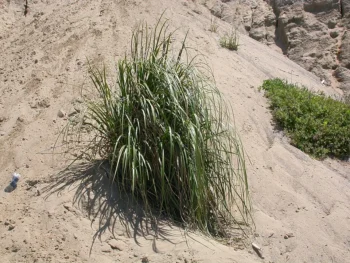
Giant Wildrye: The Majestic Native Grass That Commands Attention
If you’re looking for a native grass that makes a bold statement while supporting local ecosystems, giant wildrye (Leymus condensatus) might just be your new garden hero. This impressive perennial grass brings both drama and practicality to Western gardens, though it’s not quite the wallflower of the grass world.
What Exactly Is Giant Wildrye?
Giant wildrye lives up to its name, reaching impressive heights of up to 8.5 feet when fully mature. This robust perennial grass is native to western North America, making it a fantastic choice for gardeners who want to work with nature rather than against it. The plant spreads through underground rhizomes at a moderate pace, creating substantial clumps over time without being overly aggressive.
You might also encounter this plant under its scientific synonyms Elymus condensatus or Aneurolepidium condensatum, but giant wildrye is the name that sticks for most gardeners.
Where Does Giant Wildrye Call Home?
This native beauty naturally occurs across Alberta, British Columbia, and California, thriving in the diverse climates of western North America. It’s particularly well-adapted to the challenging conditions of the American West, from coastal areas to inland valleys.
- Species observed
- No observations
The Good, The Great, and The Hmm, Maybe Not
Why you’ll love it:
- Impressive height creates instant vertical interest and privacy screening
- Dark green, coarse-textured foliage provides excellent contrast to finer plants
- Native status means it supports local ecosystems
- Long lifespan means it’s a lasting investment
- Moderate growth rate won’t overwhelm your garden overnight
- High fire tolerance makes it suitable for fire-prone regions
Potential challenges:
- High water needs may not suit truly drought-tolerant gardens
- Large mature size requires adequate space planning
- Limited commercial availability means sourcing can be tricky
- Dense summer foliage may block views if not carefully placed
Conservation Considerations
Giant wildrye has a Global Conservation Status of S3S4, indicating some regional variations in its abundance. While not critically rare, this status suggests gardeners should source plants responsibly from reputable native plant nurseries rather than collecting from wild populations.
Perfect Garden Matches
Giant wildrye shines in:
- Native plant gardens where it can anchor mixed plantings
- Large-scale landscapes that can accommodate its mature size
- Erosion control projects on slopes or disturbed areas
- Wildlife habitat gardens (though specific wildlife benefits aren’t well-documented)
- Mediterranean-style gardens with adequate irrigation
- Coastal gardens where it can handle salt spray
Growing Conditions That Make It Happy
Giant wildrye is surprisingly adaptable when it comes to soil, thriving in everything from sandy to clay soils. However, it does have some specific preferences:
- USDA Zones: Hardy from zones 5-10, tolerating temperatures down to -38°F
- Sunlight: Full sun is essential – this grass won’t tolerate shade
- Water: High moisture needs, typically requiring 14-25 inches of annual precipitation
- Soil pH: Prefers slightly acidic to neutral soils (6.5-7.9)
- Drainage: While it needs consistent moisture, it can’t handle waterlogged conditions
Wetland Wisdom
Across its range, giant wildrye is classified as Facultative Upland, meaning it usually grows in non-wetland areas but can occasionally pop up in wetland margins. This flexibility makes it useful for transition zones between dry and moist areas of your landscape.
Planting and Care Made Simple
Getting Started:
- Plant in spring or fall when temperatures are moderate
- Space plants 3-6 feet apart to accommodate mature spread
- Seeds are tiny (166,000 per pound!) but germinate well with high seedling vigor
- Expect slow initial establishment but moderate spread once established
Ongoing Care:
- Provide consistent water, especially during active growth periods (spring and summer)
- Apply medium fertility levels – too much nitrogen can cause floppy growth
- Cut back old foliage in late winter before new growth emerges
- Allow 90+ frost-free days for optimal growth
- Divide clumps every few years if they become too large
The Pollinator Perspective
As a wind-pollinated grass, giant wildrye doesn’t offer nectar or pollen to bees and butterflies. However, its substantial structure provides nesting sites and shelter for various wildlife species, contributing to overall garden biodiversity.
Final Thoughts
Giant wildrye isn’t for every garden – its size and water needs make it better suited for larger spaces with adequate irrigation. But if you have the room and can meet its moisture requirements, this native grass offers unmatched architectural presence and ecological value. Just remember to source plants responsibly and give this gentle giant the space it needs to truly shine.
Before committing to this substantial grass, honestly assess your space, water availability, and long-term garden goals. When well-placed and properly cared for, giant wildrye becomes a stunning focal point that connects your garden to the broader western landscape.