Giant Woollystar: A Charming Native Perennial for California Gardens
If you’re looking to add a touch of delicate charm to your drought-tolerant garden, meet the giant woollystar (Eriastrum densifolium densifolium). Don’t let the giant in its name fool you—this native California perennial is actually quite petite, but it packs a big punch when it comes to adding texture and subtle beauty to your landscape.
What Makes Giant Woollystar Special?
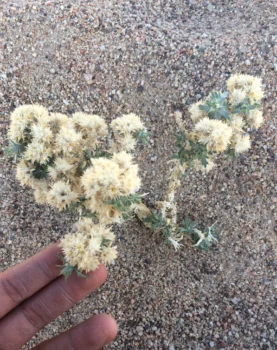
Giant woollystar is a true California native, found exclusively in the Golden State’s diverse landscapes. As a herbaceous perennial, it returns year after year, forming small clumps of narrow, linear leaves topped with clusters of tiny, tubular flowers. The blooms range from pristine white to soft pale blue, creating a cloud-like effect that gives this plant its woolly moniker.
This charming forb belongs to the phlox family and has earned its place in native plant gardens across California. Currently, giant woollystar grows naturally in California, where it has adapted to the state’s unique climate and soil conditions.
- Species observed
- No observations
Why Choose Giant Woollystar for Your Garden?
There are several compelling reasons to consider adding giant woollystar to your landscape:
- It’s a true California native, supporting local ecosystem health
- Extremely drought tolerant once established
- Attracts beneficial pollinators like native bees and butterflies
- Low maintenance requirements
- Perfect for rock gardens and xeriscape designs
- Adds delicate texture without overwhelming other plants
Important Conservation Note
Before you rush out to plant giant woollystar, there’s something important to know: this species has a conservation status that suggests it may be somewhat uncommon in the wild. If you’re interested in growing this plant, make sure to source it only from reputable native plant nurseries that propagate their stock rather than collecting from wild populations. This ensures you’re supporting conservation efforts rather than potentially harming wild communities.
Growing Conditions and Care
Giant woollystar thrives in USDA hardiness zones 8-10, making it suitable for most of California’s climate regions. Here’s what this adaptable native needs to flourish:
Sunlight and Soil
Plant your giant woollystar in full sun locations with well-draining soil. Sandy or rocky soils are ideal, as this plant has evolved to handle California’s often challenging growing conditions. Avoid heavy clay soils that retain moisture, as this can lead to root problems.
Watering
Once established, giant woollystar is remarkably drought tolerant. During its first year, provide occasional deep watering to help establish a strong root system. After that, natural rainfall should be sufficient in most California locations. Overwatering is actually more harmful than underwatering for this desert-adapted native.
Planting Tips
Fall is the ideal time to plant giant woollystar, as this allows the plant to establish roots during the cooler, wetter months before facing its first summer. Space plants according to their expected mature size, and consider grouping several together for maximum visual impact.
Garden Design Ideas
Giant woollystar works beautifully in several garden settings:
- Native California gardens alongside other indigenous species
- Rock gardens where its delicate texture contrasts with bold stone features
- Drought-tolerant landscapes as an accent plant
- Pollinator gardens where it can attract beneficial insects
- Container gardens with excellent drainage
The Bottom Line
Giant woollystar offers California gardeners a wonderful opportunity to grow a truly local native while creating habitat for pollinators and reducing water usage. Its delicate beauty and minimal care requirements make it an excellent choice for gardeners who want to embrace sustainable, regionally appropriate landscaping. Just remember to source your plants responsibly from reputable nurseries to support conservation efforts.
With proper siting and minimal intervention, giant woollystar can become a charming, long-lived addition to your native plant palette—a small but meaningful way to celebrate California’s incredible botanical heritage right in your own backyard.