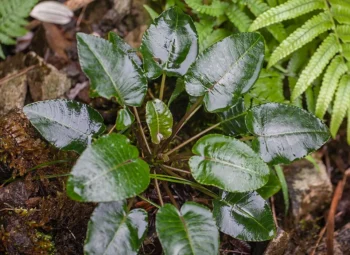
Gingerleaf Cyanea: A Rare Hawaiian Treasure Worth Protecting
Meet the gingerleaf cyanea (Cyanea asarifolia), one of Hawaii’s most endangered native flowering plants. This remarkable Hawaiian bellflower isn’t your typical garden center find – and for good reason. With fewer than 1,000 individuals remaining in the wild, this botanical gem represents both the incredible biodiversity of the Hawaiian Islands and the urgent need for plant conservation.
What Makes Gingerleaf Cyanea Special?
The gingerleaf cyanea earns its common name from its distinctive heart-shaped leaves that bear a striking resemblance to ginger plant foliage. This perennial shrub typically grows as a multi-stemmed woody plant, reaching heights of 13-16 feet in ideal conditions. What really sets it apart are its unique tubular flowers – delicate white to pale pink blooms that evolved specifically to attract Hawaii’s native bird pollinators, particularly the Hawaiian honeycreepers.
Where Does It Call Home?
This species is endemic to Hawaii, meaning it exists nowhere else on Earth naturally. Historically found across multiple Hawaiian islands, gingerleaf cyanea populations have dramatically declined, with remaining plants primarily located on Oahu in specialized forest environments.
- Species observed
- No observations
Critical Conservation Status
Important Conservation Alert: Gingerleaf cyanea has a Global Conservation Status of S1, meaning it’s critically imperiled. It’s officially listed as Endangered in the United States. With typically 5 or fewer occurrences and very few remaining individuals, this plant teeters on the edge of extinction.
If you’re interested in growing this species, please only obtain plants from reputable conservation nurseries or botanical institutions working with responsibly sourced, legally propagated material. Never collect from wild populations.
Growing Gingerleaf Cyanea: Not for Beginners
Let’s be honest – this isn’t a plant for the casual gardener. Gingerleaf cyanea has extremely specific requirements that make it challenging even for experienced growers:
- Climate needs: USDA hardiness zones 10-12 only (tropical/subtropical)
- Habitat requirements: Humid, shaded forest conditions mimicking Hawaiian cloud forests
- Soil preferences: Well-draining but consistently moist soil
- Specialized care: Often requires greenhouse conditions with controlled humidity and temperature
Role in Garden Design
When successfully grown, gingerleaf cyanea serves as a spectacular specimen plant for:
- Specialized native Hawaiian plant collections
- Botanical conservatories and educational gardens
- Shade gardens in appropriate tropical climates
- Conservation breeding programs
Wildlife and Pollinator Benefits
In its native habitat, gingerleaf cyanea plays a crucial ecological role. Its tubular flowers evolved specifically to attract Hawaiian honeycreepers and other native birds, creating a beautiful example of co-evolution between plants and their pollinators. Unfortunately, many of these native bird species are also endangered, making the relationship even more precious.
The Bottom Line
Should you plant gingerleaf cyanea? Only if you’re deeply committed to Hawaiian plant conservation, have the specialized facilities to provide proper care, and can source plants through legitimate conservation channels. This isn’t a plant for typical home gardens – it’s a living piece of Hawaiian natural heritage that deserves our protection and respect.
For most gardeners interested in supporting Hawaiian native plants, consider more readily available species that can thrive in cultivation while still supporting conservation efforts. But if you have the expertise, facilities, and dedication to help preserve this remarkable species, gingerleaf cyanea represents an incredible opportunity to participate in saving a truly unique piece of our planet’s botanical diversity.
Remember: every plant matters when there are so few left. Growing gingerleaf cyanea isn’t just gardening – it’s conservation in action.