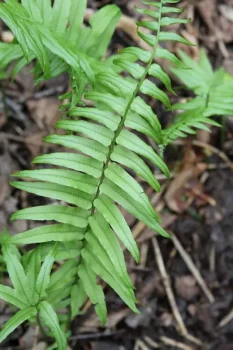
Glade Fern: A Rare Woodland Beauty Worth Protecting
Meet the glade fern (Diplazium pycnocarpon), a stunning native fern that’s as elusive as it is elegant. This perennial beauty graces the forest floors of eastern North America with its distinctive broad fronds and delicate charm. But before you rush to add one to your shade garden, there’s something important you need to know about this woodland wonder.
A Fern with a Conservation Story
The glade fern holds a special conservation status that makes it particularly precious. In New Jersey, this species is listed as Endangered with an S1 rarity ranking, meaning it’s critically imperiled in the state. This rare status makes the glade fern a plant that deserves our respect and careful consideration.
Important note: Due to its endangered status in some areas, only plant glade fern using responsibly sourced material from reputable native plant nurseries. Never collect from wild populations.
Where Glade Fern Calls Home
This native North American fern has quite an impressive range, naturally occurring across much of the eastern United States and southeastern Canada. You’ll find wild populations from the maritime provinces down to Georgia and as far west as Minnesota and Kansas, including states like Alabama, Arkansas, Connecticut, Illinois, Kentucky, Massachusetts, Michigan, New York, North Carolina, Ohio, Pennsylvania, Tennessee, Virginia, and many others.
- Species observed
- No observations
What Makes Glade Fern Special
The glade fern stands out in the fern world with its distinctive appearance. Unlike many of its ferny cousins, this species produces large, broad fronds that can create quite the statement in a woodland setting. Its bright green leaflets are arranged in an elegant pattern that catches dappled sunlight beautifully.
As a herbaceous perennial, the glade fern dies back to the ground each winter and returns fresh each spring, making it a reliable woodland companion that won’t overwhelm your garden with woody growth.
Growing Conditions: What Glade Fern Loves
If you’re lucky enough to source this rare beauty responsibly, here’s what it needs to thrive:
- Light: Partial to full shade – think forest floor conditions
- Soil: Moist, well-draining soil rich in organic matter
- Water: Consistent moisture without waterlogging
- Hardiness: USDA zones 3-8
- Wetland tolerance: Adaptable – can handle both wetland and upland conditions depending on your region
Perfect Spots for Glade Fern
This fern is tailor-made for:
- Woodland gardens and naturalized areas
- Shade gardens needing textural interest
- Native plant collections
- Areas with consistent moisture
- Understory plantings beneath trees
Caring for Your Glade Fern
Once established, glade fern is relatively low-maintenance, but it does appreciate some TLC:
- Keep soil consistently moist, especially during dry spells
- Apply a layer of organic mulch to retain moisture and suppress weeds
- Remove old fronds in late winter before new growth emerges
- Divide clumps every 3-4 years in early spring if needed
- Avoid disturbing the roots unnecessarily
Wildlife and Garden Benefits
While ferns don’t produce flowers to attract pollinators, they offer other valuable ecosystem services. The glade fern provides shelter and habitat structure for small woodland creatures and contributes to the complex understory ecosystem that supports biodiversity in woodland settings.
The Bottom Line
The glade fern is a remarkable native plant that deserves a place in conservation-minded gardens. Its rarity makes it extra special, but also means we must be responsible stewards. If you choose to grow this elegant fern, make sure you’re sourcing it from reputable nurseries that propagate their own plants rather than wild-collecting.
By growing glade fern responsibly, you’re not just adding a beautiful specimen to your garden – you’re participating in the conservation of a rare native species. Now that’s something to feel good about every time you admire those graceful fronds swaying in your woodland garden.