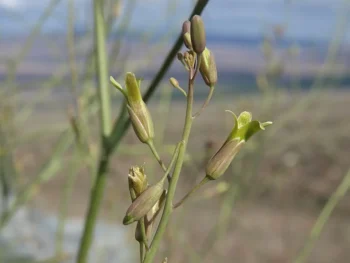
Glaucous Wild Cabbage: A Blue-Green Beauty for Western Native Gardens
If you’re looking to add a touch of silvery-blue elegance to your native garden, glaucous wild cabbage (Caulanthus glaucus) might just be the unique perennial you’ve been searching for. This distinctive member of the mustard family brings an almost otherworldly blue-green hue to landscapes, earning its glaucous name from the waxy coating that gives its leaves their characteristic silvery appearance.
Where Does Glaucous Wild Cabbage Call Home?
This native beauty is exclusively found in California and Nevada, where it thrives in the mountainous regions of the Sierra Nevada and surrounding areas. As a true western native, it’s perfectly adapted to the unique conditions of these regions and plays an important role in local ecosystems.
- Species observed
- No observations
A Plant Worth Protecting
Before falling head-over-heels for this stunning plant, there’s something important to know: glaucous wild cabbage has a global conservation status of S3?, which indicates it may be vulnerable or rare in its native range. If you’re considering adding this plant to your garden, please ensure you source it responsibly from reputable native plant nurseries that propagate their own stock rather than wild-collecting.
What Makes This Plant Special?
Glaucous wild cabbage is a perennial forb that typically grows 1-4 feet tall, creating an upright presence in the garden without the woody structure of shrubs or trees. Its most striking feature is undoubtedly its blue-green foliage, which provides a beautiful contrast to other native plants. In spring and early summer, it produces clusters of small white to pale yellow flowers arranged in terminal spikes, adding delicate beauty to its already impressive appearance.
Also known by its synonym Streptanthus glaucus, this plant brings a unique texture and color palette that’s hard to find in other native species.
Perfect Garden Settings
This distinctive native works wonderfully in several garden styles:
- Native plant gardens where its unique coloring can shine
- Rock gardens and xeriscaped areas
- Mountain-style landscapes
- Naturalized wildflower meadows
- As an accent plant in mixed perennial borders
Growing Conditions and Care
Glaucous wild cabbage thrives in USDA hardiness zones 7-10, making it suitable for much of California and similar climates. Like many native plants, it’s refreshingly low-maintenance once established:
- Sunlight: Full sun to partial shade
- Soil: Well-drained soils; tolerates poor, rocky conditions
- Water: Drought tolerant once established; avoid overwatering
- Maintenance: Minimal care required after establishment
Planting Tips for Success
For best results with glaucous wild cabbage, try direct seeding in fall, which allows the seeds to experience natural winter stratification. This mimics how the plant would naturally establish in the wild. Once your plants are up and growing, resist the urge to pamper them with too much water – they prefer the tough love approach that mirrors their native mountain habitat.
Supporting Local Wildlife
While glaucous wild cabbage may not be the showiest pollinator magnet, its flowers do attract small native bees, flies, and other beneficial insects. Every native plant plays a role in supporting local ecosystem health, and this one is no exception.
The Bottom Line
Glaucous wild cabbage offers something truly special for gardeners in appropriate climates: a chance to grow a rare native with stunning blue-green foliage that’s perfectly adapted to western conditions. Just remember to source it responsibly and give it the well-drained conditions it craves. With its unique appearance and low-maintenance nature, it’s a wonderful addition to any native plant enthusiast’s garden.