Glossyleaf Manzanita: A Charming California Native for Your Garden
Meet the glossyleaf manzanita (Arctostaphylos nummularia), a delightful California native that’s as practical as it is beautiful. This compact shrub might just be the perfect addition to your water-wise garden, especially if you’re looking to support local wildlife while creating a stunning landscape that thrives in Mediterranean climates.
What Makes Glossyleaf Manzanita Special?
This perennial shrub is a true California gem, endemic to the Golden State’s North Coast and North Coast Ranges. As a native species, it’s perfectly adapted to local conditions and plays an important role in supporting regional ecosystems. The glossyleaf manzanita typically grows as a multi-stemmed woody plant, usually staying under 13-16 feet in height, making it an excellent choice for smaller gardens and landscapes.
Where Does It Grow?
Glossyleaf manzanita calls California home, specifically thriving in the state’s coastal and mountainous regions. This native beauty has evolved alongside California’s unique climate and soil conditions, making it an authentic choice for anyone wanting to create a true California native garden.
- Species observed
- No observations
Garden Appeal and Landscape Role
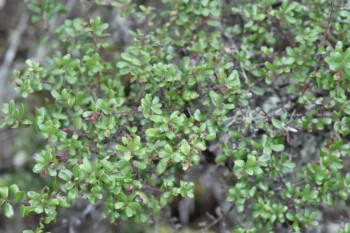
What sets this manzanita apart is its glossy, round to oval leaves that give the plant its common name. The shrub produces clusters of small, urn-shaped flowers in white to pink hues, followed by attractive small red berries. This combination of foliage, flowers, and fruit provides year-round interest in the garden.
In your landscape, glossyleaf manzanita works beautifully as:
- Ground cover for slopes and challenging areas
- Low border shrub in native plant gardens
- Accent plant in Mediterranean-style landscapes
- Wildlife habitat feature
Perfect Garden Settings
This adaptable native shines in several garden types:
- Drought-tolerant landscapes
- Mediterranean gardens
- Native California plant collections
- Water-wise residential landscapes
Benefits for Pollinators and Wildlife
One of the best reasons to choose glossyleaf manzanita is its value to local ecosystems. The flowers attract native bees and other important pollinators, while the berries provide food for birds and small mammals. By planting this native species, you’re creating a mini wildlife habitat right in your backyard.
Growing Conditions and Care
Glossyleaf manzanita is surprisingly easy to grow once you understand its needs. This plant thrives in USDA hardiness zones 8-10 and prefers:
- Well-draining, acidic soils
- Partial shade to full sun exposure
- Minimal water once established (drought-tolerant)
- Good air circulation
Planting and Care Tips
Success with glossyleaf manzanita comes down to respecting its preferences:
- Drainage is key: Ensure excellent soil drainage to prevent root rot
- Water wisely: Avoid overwatering, especially during summer months
- Mulch carefully: Use organic mulch but keep it away from the base of the plant
- Prune minimally: Light pruning after flowering if needed
- Be patient: Allow time for establishment before expecting rapid growth
Important Conservation Note
Before you rush out to plant glossyleaf manzanita, there’s something important to consider. This species has a conservation status that suggests it may be of concern in the wild. If you decide to add this beauty to your garden, please ensure you source your plants from reputable native plant nurseries that propagate their stock responsibly rather than collecting from wild populations.
Is Glossyleaf Manzanita Right for Your Garden?
If you’re gardening in California and want to create a water-wise, wildlife-friendly landscape that celebrates your region’s natural heritage, glossyleaf manzanita could be an excellent choice. Its combination of attractive foliage, seasonal flowers and berries, plus its value to local wildlife, makes it a standout native plant option.
Just remember to source your plants responsibly and be patient with establishment. Once settled in, this charming manzanita will reward you with years of low-maintenance beauty while supporting the local ecosystem that makes California’s landscapes so special.