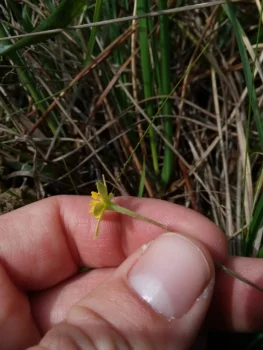
Glossyseed Yellow Star-Grass: A Charming Native Wildflower for Southern Gardens
If you’re looking for a delightful native wildflower that brings sunny charm to your garden without demanding much fuss, glossyseed yellow star-grass (Hypoxis sessilis) might just be your new favorite discovery. This petite perennial packs a punch with its cheerful yellow blooms and grass-like foliage, making it a wonderful addition to naturalistic plantings across the southeastern United States.
What is Glossyseed Yellow Star-Grass?
Glossyseed yellow star-grass is a native perennial forb that belongs to the diverse world of herbaceous plants. Unlike woody shrubs or trees, this charming wildflower lacks significant woody tissue and instead produces fresh growth from buds at or below ground level each growing season. You might also encounter it listed under its synonym, Hypoxis longii, in some older plant references.
This native beauty calls the southeastern United States home, naturally occurring across Alabama, Arkansas, Florida, Georgia, Louisiana, Mississippi, North Carolina, Oklahoma, South Carolina, and Texas. Its natural range spans from the coastal plains to piedmont regions, showing off its adaptability to different growing conditions.
- Species observed
- No observations
Why Grow Glossyseed Yellow Star-Grass?
There are several compelling reasons to consider adding this native gem to your garden:
- Native heritage: Supporting local ecosystems by choosing plants that naturally belong in your region
- Low maintenance: Once established, this perennial requires minimal care and attention
- Pollinator friendly: The bright yellow star-shaped flowers attract small bees and other beneficial pollinators
- Versatile placement: Adapts well to both wetland edges and drier upland areas
- Charming appearance: Six-petaled yellow flowers create a delightful carpet of stars above grass-like foliage
A Word About Conservation
Before you start planning where to plant glossyseed yellow star-grass, it’s important to know that this species has a rarity status of S1 (critically imperiled) in Arkansas. While this shouldn’t discourage you from growing it, it does mean you should be thoughtful about sourcing. Always purchase from reputable native plant nurseries that ethically propagate their plants rather than wild-collecting them. By choosing responsibly sourced plants, you’re helping support conservation efforts rather than putting additional pressure on wild populations.
Perfect Garden Settings
Glossyseed yellow star-grass shines in several garden scenarios:
- Native plant gardens: A natural choice for regional plant collections
- Wildflower meadows: Adds delicate texture and color to naturalized areas
- Woodland edges: Thrives in the transition zone between forest and open areas
- Prairie restorations: Contributes to authentic southeastern grassland recreations
- Rain gardens: Its facultative wetland status makes it suitable for areas with variable moisture
Growing Conditions and Care
One of the best things about glossyseed yellow star-grass is its easygoing nature. This adaptable native thrives in USDA hardiness zones 7-10, making it suitable for most of its native range and similar climates.
Light requirements: Performs well in full sun to partial shade, giving you flexibility in placement.
Soil preferences: Prefers well-drained soils but shows remarkable adaptability. Its wetland status varies by region – in coastal areas it can handle more moisture, while in mountain and piedmont regions it tends to prefer slightly drier conditions.
Water needs: Once established, this drought-tolerant native requires minimal supplemental watering, making it perfect for low-maintenance gardens.
Planting and Maintenance Tips
Getting started with glossyseed yellow star-grass is refreshingly straightforward:
- Planting time: Fall is ideal for establishing new plants, giving them time to develop strong root systems before their first growing season
- Spacing: Plant individual specimens about 6-12 inches apart for natural-looking drifts
- Maintenance: Minimal care required once established – simply allow plants to go through their natural cycles
- Dormancy: Don’t be alarmed if plants become less visible during hot summer periods, as they may enter dormancy to conserve energy
The Bottom Line
Glossyseed yellow star-grass offers gardeners a wonderful opportunity to support native biodiversity while adding understated beauty to their landscapes. Its cheerful yellow flowers, low maintenance requirements, and ecological benefits make it an excellent choice for gardeners who want to create meaningful connections with their local environment. Just remember to source your plants responsibly, and you’ll be rewarded with a charming native that truly belongs in your southern garden.