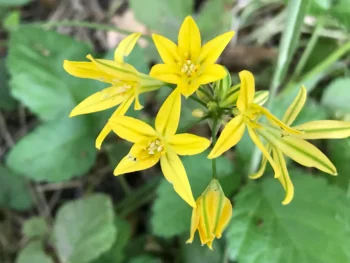
Golden Brodiaea: A Bright Native Gem for California Gardens
If you’re looking to add some sunshine to your California native garden, let me introduce you to the golden brodiaea (Triteleia ixioides ixioides). This charming little wildflower might not be the showiest plant in the garden center, but it’s got personality in spades and plays an important role in supporting local ecosystems.
What Makes Golden Brodiaea Special?
Golden brodiaea is a true California native, belonging to that wonderful group of spring-blooming bulbs that paint our hillsides with color each year. As a perennial forb, it’s essentially an herbaceous plant that comes back year after year from underground bulbs, making it a reliable addition to any native plant collection.
This plant goes by several scientific names in older references—you might see it listed as Brodiaea lutea, Calliprora ixioides, or Ornithogalum ixioides—but they’re all referring to the same delightful golden-flowered beauty.
Where Does Golden Brodiaea Call Home?
Golden brodiaea is exclusively found in California, where it thrives in the coastal ranges and foothills. It’s perfectly adapted to our Mediterranean climate and has been gracing California landscapes long before any of us arrived on the scene.
- Species observed
- No observations
Garden Appeal and Design Role
From late spring to early summer, golden brodiaea produces clusters of bright golden-yellow, star-shaped flowers that seem to glow in the garden. The flowers are held on slender stems above grass-like foliage, creating an airy, naturalized look that’s perfect for:
- Wildflower meadows and naturalized areas
- Rock gardens and drought-tolerant landscapes
- Mediterranean-style gardens
- Native plant borders
- Xeriscaping projects
Supporting Local Wildlife
One of the best reasons to grow golden brodiaea is its value to local pollinators. The bright flowers attract native bees, butterflies, and other beneficial insects that depend on native plants for survival. By including this plant in your garden, you’re essentially setting up a pollinator cafe that serves exactly the kind of nectar these creatures have evolved to expect.
Growing Golden Brodiaea Successfully
The beauty of native plants like golden brodiaea is that they’re already perfectly suited to local conditions. Here’s how to help them thrive:
Location and Soil
Choose a spot with full sun to partial shade and well-draining soil. Golden brodiaea absolutely cannot tolerate soggy conditions, especially during its summer dormancy period. If your soil tends to hold water, consider planting on a slope or in a raised bed.
Planting
Plant bulbs in fall, about 3-4 inches deep and 3-6 inches apart. This gives them time to establish roots before their spring growth spurt.
Watering
Water moderately during the growing season (fall through spring), but allow the soil to dry out completely once the foliage dies back in summer. This mimics the natural Mediterranean cycle these plants are adapted to.
Climate Considerations
Golden brodiaea is suited for USDA hardiness zones 7-10, making it perfect for most California gardens and similar Mediterranean climates.
Important Conservation Note
Golden brodiaea has a somewhat uncertain conservation status, which means we should be thoughtful about how we source our plants. Always purchase from reputable native plant nurseries that grow their stock rather than collecting from wild populations. Many California native plant societies hold sales where you can find responsibly propagated specimens.
Care and Maintenance
Once established, golden brodiaea is refreshingly low-maintenance. Allow the foliage to die back naturally after flowering—this helps the bulb store energy for next year’s display. Resist the urge to water during the summer dormancy period, as this can cause bulb rot.
Should You Plant Golden Brodiaea?
If you’re gardening in California and want to create habitat for native wildlife while enjoying beautiful spring blooms, golden brodiaea is definitely worth considering. It’s particularly perfect if you’re trying to reduce water usage or create a more sustainable landscape. Just remember to source your plants responsibly and give them the well-drained conditions they crave.
While it might not be the flashiest plant at the garden center, golden brodiaea offers something much more valuable: a genuine connection to California’s natural heritage and a meaningful way to support local ecosystems. Sometimes the best garden choices are the ones that have been quietly thriving in our landscapes for thousands of years.