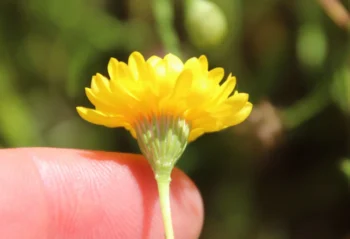
Golden Chaetopappa: A Delicate California Native Worth Discovering
If you’re searching for native California plants that add delicate charm to your garden, you might want to get acquainted with golden chaetopappa (Pentachaeta aurea aurea). This petite annual wildflower is one of those understated natives that deserves more recognition in naturalistic gardens and native plant collections.
What Is Golden Chaetopappa?
Golden chaetopappa is a native annual forb—essentially a soft-stemmed herbaceous plant that completes its entire life cycle in one growing season. As a member of the daisy family, it produces small, cheerful flowers that likely showcase the golden hues suggested by its scientific name aurea, which means golden in Latin.
This California native is what botanists call a forb, meaning it’s a vascular plant without significant woody tissue. Think of it as nature’s way of creating temporary bursts of color that return each year from seed rather than persisting as a woody shrub or tree.
Where Does It Grow Naturally?
Golden chaetopappa is endemic to California, making it a true Golden State original. This native status means it has evolved alongside California’s unique climate patterns, soils, and wildlife for thousands of years.
- Species observed
- No observations
Why Consider Golden Chaetopappa for Your Garden?
There are several compelling reasons to include this native annual in your California garden:
- True California heritage: As a native species, it supports local ecosystems and requires fewer resources once established
- Annual adventure: Annual wildflowers like golden chaetopappa can fill seasonal gaps in your garden design
- Delicate beauty: Small daisy-family flowers add fine texture and natural charm to plantings
- Educational value: Growing rare natives helps preserve California’s botanical heritage
Important Conservation Considerations
Before you rush to add golden chaetopappa to your shopping list, there’s something important to know. This species has a conservation status of S4T3, which indicates it may have limited distribution or populations. While this doesn’t mean you shouldn’t grow it, it does mean you should be mindful about sourcing.
If you’re interested in growing golden chaetopappa, make sure to:
- Purchase seeds or plants only from reputable native plant nurseries
- Never collect seeds or plants from wild populations
- Ask suppliers about the origin of their plant material
- Consider it a special addition rather than a mass planting
Growing Golden Chaetopappa Successfully
Here’s where we hit a bit of a challenge—detailed growing information for this specific subspecies is quite limited in available literature. However, we can make some educated assumptions based on its annual nature and California native status:
General Growing Tips
- Timing: As a California annual, it likely follows the state’s natural rainfall patterns, germinating with fall/winter rains
- Soil: Most California natives prefer well-draining soils
- Water: Being an annual native, it probably thrives with natural rainfall patterns rather than heavy irrigation
- Sun exposure: Many California wildflowers prefer full sun to partial shade
Garden Design Applications
Golden chaetopappa could work beautifully in several garden scenarios:
- Native wildflower gardens: Perfect for naturalistic plantings that celebrate California’s flora
- Seasonal interest areas: Use in spots where you want changing displays throughout the year
- Educational gardens: Excellent for demonstrating native plant diversity
- Rock gardens: Many small California natives thrive in well-draining rock garden conditions
The Bottom Line
Golden chaetopappa represents one of those special native plants that connects us directly to California’s natural heritage. While growing information is limited, gardeners who enjoy experimenting with rare natives and supporting conservation through cultivation might find this annual wildflower a rewarding addition to their plant collections.
Just remember to source responsibly, start small, and consider it part of your contribution to preserving California’s incredible botanical diversity. Sometimes the most rewarding garden plants are the ones that make us work a little harder to understand and appreciate them!