Golden Eardrops: A Rare California Native Worth Treasuring
If you’ve ever wondered what botanical jewelry might look like, meet golden eardrops (Ehrendorferia chrysantha) – a stunning California native that literally dangles golden treasures from its stems. This remarkable perennial forb creates one of nature’s most enchanting floral displays, but there’s an important catch every gardener should know about.
What Makes Golden Eardrops Special
Golden eardrops earned their charming common name honestly. The plant produces cascades of bright yellow, heart-shaped flowers that dangle delicately from arching stems like precious golden earrings swaying in the breeze. These blooms emerge from ferny, blue-green foliage that forms an attractive mound even when the plant isn’t flowering.
When in full bloom, golden eardrops can reach impressive heights of 4-8 feet, creating a dramatic vertical element in the garden. The contrast between the delicate, lacy foliage and the bold flower display makes this plant a true showstopper.
Where Golden Eardrops Call Home
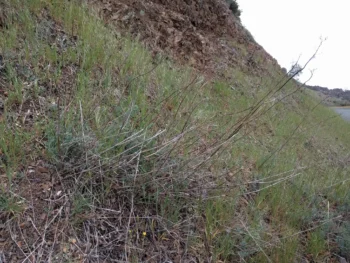
This California endemic is found exclusively in the Golden State, particularly thriving in coastal ranges and foothills. You might spot it growing wild in chaparral, oak woodlands, and rocky slopes throughout California’s diverse landscapes.
- Species observed
- No observations
An Important Conservation Note
Here’s where things get serious, fellow gardeners. Golden eardrops has a conservation status that should make us all pause and think carefully. While not officially endangered, this species has an uncertain conservation status that suggests it may be vulnerable. This means if you’re considering adding golden eardrops to your garden, you absolutely must source your plants responsibly from reputable native plant nurseries that propagate their own stock – never collect from wild populations.
Why Consider Golden Eardrops for Your Garden
Despite its rarity concerns, there are compelling reasons to grow golden eardrops if you can source it responsibly:
- Supports native pollinators including bees, butterflies, and hummingbirds
- Extremely drought-tolerant once established
- Creates stunning vertical interest in native plant gardens
- Perfectly adapted to Mediterranean-style gardens
- Unique flowering display unlike anything else in your garden
- Helps preserve California’s botanical heritage
Growing Golden Eardrops Successfully
Golden eardrops thrives in USDA hardiness zones 8-10, making it suitable for most of California and similar Mediterranean climates. Here’s how to keep this beauty happy:
Perfect Growing Conditions
- Light: Partial shade to full sun (morning sun with afternoon shade is ideal)
- Soil: Well-draining soil is absolutely essential – this plant will not tolerate soggy conditions
- Water: Moderate water during growing season, but allow to go dormant and dry in summer
- Climate: Thrives in Mediterranean climates with wet winters and dry summers
Planting and Care Tips
Plant golden eardrops in fall when cooler weather arrives. This gives the plant time to establish roots before the growing season. The key to success is understanding this plant’s natural rhythm – it grows actively in cool, wet seasons and goes completely dormant during hot, dry summers. Don’t panic when it disappears underground in summer heat; it’s just taking a well-deserved nap!
Once established, golden eardrops requires minimal care. In fact, too much attention (especially summer water) can actually harm the plant. Think of it as the ultimate low-maintenance garden resident – just provide good drainage and step back to enjoy the show.
Design Ideas
Golden eardrops works beautifully as a specimen plant in native gardens, woodland settings, or Mediterranean-style landscapes. Its dramatic height makes it perfect for the back of borders or as a focal point. Pair it with other California natives like ceanothus, manzanita, or California poppies for an authentic native plant community.
The Bottom Line
Golden eardrops is undeniably one of California’s most spectacular native plants, but it comes with responsibility. If you can source it from a reputable native plant nursery that propagates their own stock, you’ll be rewarded with a truly unique addition to your garden while helping to preserve this special species for future generations. Just remember: never collect from wild populations, and always buy from trusted sources that prioritize conservation.
Sometimes the most precious garden treasures are the ones that require us to be thoughtful stewards as well as admiring gardeners.