Golden Snakecactus: A Rare California Native Worth Growing Responsibly
If you’re looking to add some serious desert drama to your Southern California garden, the golden snakecactus might just be your new favorite plant. This striking native cactus brings both beauty and ecological value to the right landscape – but there’s an important catch you need to know about before you start shopping.
Meet the Golden Snakecactus
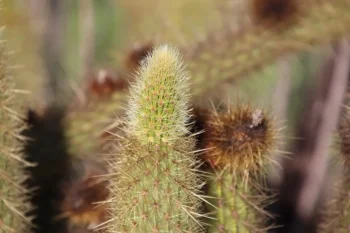
Known botanically as Bergerocactus emoryi, the golden snakecactus is a true California treasure. This perennial shrub creates an impressive display with its multi-stemmed, columnar segments that can reach up to 13-16 feet tall under ideal conditions. What really makes it shine, though, are those gorgeous golden-yellow spines that give the plant its common name and create stunning textural interest year-round.
Where You’ll Find It Growing Wild
This native beauty calls coastal Southern California home, where it thrives in the unique Mediterranean climate. You’ll find wild populations scattered along the coast, perfectly adapted to the region’s sandy soils and ocean breezes.
- Species observed
- No observations
A Word of Caution: This Plant is Rare
Here’s where things get important: the golden snakecactus has a Global Conservation Status of S2S3, meaning it’s considered rare and potentially vulnerable. While we absolutely encourage growing native plants, this one comes with a responsibility. If you decide to add this stunner to your garden, please make sure you source it from reputable nurseries that grow their plants from legally collected seeds or cuttings – never dig plants from the wild.
Why Golden Snakecactus Deserves a Spot in Your Garden
Beyond its obvious visual appeal, this native cactus offers several compelling reasons to grow it:
- Supports local pollinators with bright yellow spring flowers that bees absolutely love
- Requires virtually no supplemental water once established – perfect for drought-conscious gardening
- Provides year-round structure and interest with its architectural form
- Helps preserve California’s native plant heritage
- Creates stunning focal points in xerophytic and Mediterranean-style landscapes
Perfect Garden Companions
Golden snakecactus shines brightest in desert gardens, rock gardens, and coastal xeriscapes. It pairs beautifully with other drought-tolerant natives and makes an excellent accent plant where you want to create dramatic vertical interest. Think of it as nature’s sculpture – it commands attention without being overwhelming.
Growing Golden Snakecactus Successfully
The good news? This cactus is surprisingly easy to grow if you can provide what it needs:
Climate Requirements
Golden snakecactus thrives in USDA hardiness zones 9b through 11, making it perfect for most of coastal and Southern California. It can handle some light frost but appreciates protection from hard freezes.
Sun and Soil Needs
Give your golden snakecactus full sun and well-draining soil – this is absolutely critical. Sandy or rocky soil works best, and if your soil tends to hold water, consider planting in raised beds or adding plenty of gravel and sand to improve drainage.
Watering Wisdom
Once established, this drought-tolerant native needs minimal water. During its first year, provide occasional deep watering to help roots establish, then back off to letting natural rainfall do most of the work. Overwatering is the quickest way to kill a golden snakecactus.
Planting Tips
- Plant in spring after the last frost danger passes
- Dig a hole only as deep as the root ball but twice as wide
- Backfill with native soil mixed with extra gravel or coarse sand
- Water deeply after planting, then sparingly until established
- Mulch lightly with gravel rather than organic mulch
The Bottom Line
Golden snakecactus is a spectacular native plant that can add authentic California character to the right garden. Its rare status means we have a special responsibility to grow it thoughtfully and source it ethically. If you’re gardening in Southern California and love the idea of a dramatic, low-maintenance native that supports local wildlife, this golden beauty might be perfect for your landscape – just make sure you’re doing right by this precious native species.