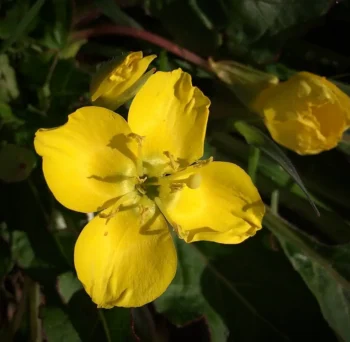
Goldeneggs: A Rare Native Wildflower Worth Protecting in Your Garden
Meet goldeneggs (Camissonia ovata), a charming little native wildflower that’s flying under the radar in most gardening circles. This perennial forb belongs to the evening primrose family and offers gardeners on the West Coast a chance to support local ecosystems while adding delicate beauty to their landscapes.
What Makes Goldeneggs Special?
Goldeneggs is a true California and Oregon native, making it a fantastic choice for gardeners looking to create authentic regional landscapes. As a perennial forb, it lacks woody stems but returns year after year, forming part of the herbaceous layer that’s so important in natural plant communities.
This species is also known by its botanical synonym Oenothera ovata, which you might encounter in older gardening references or plant databases.
Where Does Goldeneggs Grow?
You’ll find goldeneggs naturally occurring in California and Oregon, where it has adapted to the unique climate and soil conditions of the Pacific Coast region. This limited native range makes it particularly valuable for gardeners in these areas who want to support local wildlife and maintain regional plant heritage.
- Species observed
- No observations
A Word About Rarity
Here’s something important to know: goldeneggs has a conservation status of S3S4, which indicates it’s somewhat uncommon to apparently secure in its range. While this doesn’t mean it’s critically endangered, it does mean we should be thoughtful about how we source and grow this plant. If you’re interested in adding goldeneggs to your garden, make sure to:
- Purchase from reputable native plant nurseries
- Avoid collecting from wild populations
- Choose nursery-propagated plants over wild-collected specimens
- Consider participating in seed collection programs if available in your area
Garden Design and Landscape Role
Goldeneggs works beautifully in native plant gardens, wildflower meadows, and naturalized landscapes. As a forb, it provides important textural contrast to grasses and adds seasonal interest with its blooms. It’s particularly well-suited for:
- Native plant gardens focusing on California or Oregon flora
- Drought-tolerant landscape designs
- Pollinator-friendly garden spaces
- Restoration projects in appropriate regions
Growing Goldeneggs Successfully
While specific growing information for Camissonia ovata is limited, we can draw from the characteristics typical of its plant family and native habitat. Here’s what we know and can reasonably infer:
Climate and Hardiness
Given its native range in California and Oregon, goldeneggs likely thrives in USDA hardiness zones 8-10, where it can handle the Mediterranean-type climate common in these regions.
Soil and Water Needs
Most plants in the Camissonia genus prefer well-draining soils and can handle drought conditions once established. This makes goldeneggs potentially ideal for water-wise gardening approaches.
Planting Tips
- Plant in fall or early spring when temperatures are moderate
- Choose a location with good drainage to prevent root rot
- Provide some water during establishment, then reduce as the plant matures
- Consider companion planting with other native forbs and grasses
Supporting Wildlife
While specific wildlife benefits for goldeneggs aren’t well-documented, plants in the evening primrose family typically support various pollinators including native bees, moths, and butterflies. By including this native species in your garden, you’re providing food sources that local wildlife have evolved alongside for thousands of years.
The Bottom Line
Goldeneggs represents an opportunity to grow something truly special – a native plant that supports local ecosystems while adding unique character to your garden. Its rarity status makes it even more meaningful to cultivate, as home gardeners can play a role in maintaining genetic diversity and supporting conservation efforts.
Just remember to source responsibly and consider goldeneggs as part of a broader native plant garden rather than as a standalone specimen. With thoughtful cultivation, you’ll be supporting both your local environment and the preservation of California and Oregon’s natural heritage.