Graceful Kihifern: Hawaii’s Delicate Native Treasure
Meet the graceful kihifern (Adenophorus pinnatifidus), a charming little native Hawaiian fern that’s as elegant as its name suggests. This delicate beauty might not be the showiest plant in the garden, but it holds a special place in Hawaii’s natural heritage and can bring a touch of authentic island magic to the right growing conditions.
What Makes This Fern Special?
The graceful kihifern is a perennial fern that’s completely native to the Hawaiian Islands. Unlike flashy flowering plants, this understated beauty showcases nature’s artistry through its finely divided, lacy fronds that create intricate patterns of light and shadow. As a true forb, it lacks woody tissue and instead focuses its energy on producing those gorgeous, delicate leaves that seem to dance in the slightest breeze.
Where Does It Call Home?
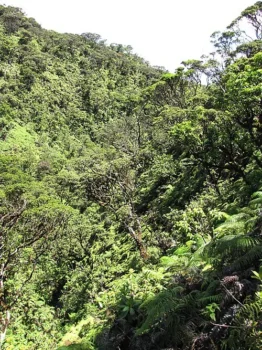
This fern is exclusively Hawaiian – you won’t find it growing wild anywhere else in the world. It’s what botanists call endemic, making it a living piece of Hawaii’s unique natural story. Throughout the Hawaiian Islands, you might spot it tucked into shady nooks and crannies where it can stay cool and moist.
- Species observed
- No observations
A Word of Caution: Handle with Care
Here’s something important every gardener should know: the graceful kihifern has a conservation status of S3, meaning it’s considered vulnerable in the wild. With only an estimated 3,000 to 10,000 individuals remaining, this little fern needs our protection. If you’re considering adding it to your garden, please only source it from reputable native plant nurseries that propagate their plants responsibly – never collect from wild populations.
Is This Fern Right for Your Garden?
The graceful kihifern isn’t for everyone, but it could be perfect for you if:
- You live in USDA hardiness zones 10-12 (tropical and subtropical areas)
- You have shady to partially shaded spots in your garden
- You’re passionate about native Hawaiian plants and conservation
- You appreciate subtle, delicate beauty over bold, flashy displays
- You can provide consistent moisture and humidity
Growing Conditions and Care
Think of this fern as preferring the Goldilocks approach – not too sunny, not too dry, but just right. It thrives in:
- Light: Shade to partial shade (direct sunlight is a no-go)
- Soil: Well-draining but consistently moist soil
- Humidity: High humidity levels
- Air circulation: Good airflow to prevent fungal issues
In terms of wetland preferences, this fern is considered facultative upland, meaning it usually grows in non-wetland areas but can tolerate some wetland conditions – giving you a bit of flexibility in placement.
Garden Design Ideas
The graceful kihifern works beautifully as:
- An understory accent in tropical shade gardens
- A delicate addition to rock gardens with good drainage
- Part of a native Hawaiian plant collection
- A textural element in container gardens (with proper humidity)
Setting Realistic Expectations
Let’s be honest – this isn’t a plant that will attract butterflies or provide nectar for bees. As a fern, it reproduces through spores rather than flowers, so it won’t contribute to pollinator gardens. However, it offers something different: a connection to Hawaii’s natural heritage and the quiet satisfaction of helping preserve a vulnerable species.
The Bottom Line
The graceful kihifern is a plant for gardeners who appreciate subtlety, care deeply about conservation, and live in the right climate. It’s not the easiest plant to grow, and it’s not going to wow your neighbors with bright blooms. But for the right gardener in the right location, it offers the chance to nurture a piece of Hawaii’s irreplaceable natural heritage while adding delicate beauty to shaded garden spaces.
Remember, if you decide to grow this vulnerable fern, source it responsibly and consider yourself a guardian of Hawaii’s botanical treasures. Sometimes the most rewarding plants are the ones that challenge us to be better gardeners and better stewards of our natural world.