Graham’s Nipple Cactus: A Charming Native Desert Gem
If you’re looking to add authentic southwestern charm to your garden, Graham’s nipple cactus (Mammillaria grahamii) might just be the perfect little desert dweller for you. Don’t let the quirky name fool you – this delightful native cactus is a true gem that brings both beauty and ecological value to the right garden setting.
What Makes Graham’s Nipple Cactus Special?
This charming perennial cactus is a proud native of the American Southwest, naturally thriving across Arizona, California, New Mexico, and Texas. As a genuine native species, it’s perfectly adapted to our regional climate and plays an important role in local desert ecosystems.
- Species observed
- No observations
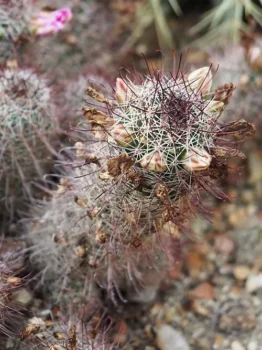
Graham’s nipple cactus typically grows as a small, globular to short-cylindrical plant, rarely exceeding 6 inches in height and width. What it lacks in size, it more than makes up for in character. The plant features distinctive tubercles (those nipple-like bumps that give it its name) arranged in spiral patterns, each topped with clusters of spines that can range from white to reddish-brown.
Aesthetic Appeal and Garden Role
The real showstopper comes in spring when this little cactus produces a crown of vibrant pink to purple flowers. These blooms create a stunning contrast against the plant’s green body and pale spines, making it an excellent accent plant for desert gardens, rock gardens, and xeriscapes.
Graham’s nipple cactus works beautifully in several garden settings:
- Desert and xeriscape gardens as a focal point
- Rock gardens nestled between stones
- Container gardens and succulent collections
- Mass plantings for ground cover in appropriate climates
Benefits for Pollinators and Wildlife
Those lovely spring flowers aren’t just for show – they’re magnets for native bees and other small pollinators. By planting Graham’s nipple cactus, you’re providing valuable nectar sources during the desert’s peak blooming season, supporting local pollinator populations that are crucial for ecosystem health.
Growing Conditions and Care
One of the best things about this native beauty is how easy it is to grow – as long as you remember it’s a desert plant at heart. Here’s what Graham’s nipple cactus needs to thrive:
Climate: Hardy in USDA zones 9-11, this cactus can handle some cold but should be protected from hard frost.
Sunlight: Full sun is essential. This plant needs at least 6-8 hours of direct sunlight daily to maintain its compact form and bloom well.
Soil: Well-draining soil is absolutely critical. A sandy, gravelly mix or specialized cactus soil works best. If your soil tends to hold water, consider raised beds or containers.
Water: Less is definitely more. Water deeply but infrequently during the growing season (spring through fall), allowing the soil to dry completely between waterings. In winter, water sparingly or not at all.
Planting and Care Tips
Getting your Graham’s nipple cactus off to a good start is straightforward:
- Best planting time: Spring, after the last frost
- Spacing: Plant 12-18 inches apart if growing multiple specimens
- Fertilizing: Generally unnecessary; too much fertilizer can actually harm the plant
- Pruning: Not needed, but you can remove offsets to propagate new plants
- Winter protection: In borderline zones, provide some frost protection with cloth or move containers indoors
Is Graham’s Nipple Cactus Right for Your Garden?
This native cactus is perfect for gardeners who:
- Live in appropriate climate zones (9-11)
- Want low-maintenance, drought-tolerant plants
- Appreciate native species and their ecological benefits
- Enjoy unique, conversation-starting plants
- Have well-draining soil or are willing to amend it
However, it might not be the best choice if you:
- Live in a very humid climate
- Have heavy clay soil that stays wet
- Want a large, fast-growing plant
- Prefer plants that need regular watering
Supporting Native Plant Communities
By choosing Graham’s nipple cactus for your garden, you’re not just adding an interesting plant – you’re supporting native biodiversity and creating habitat for local wildlife. This little cactus may be small, but it plays a big role in maintaining the ecological balance of southwestern desert communities.
Whether you’re creating a full desert landscape or just want to add a touch of authentic southwestern character to your garden, Graham’s nipple cactus offers beauty, ecological value, and the satisfaction of growing a true native. Just remember: when it comes to care, think like a desert – provide plenty of sun, excellent drainage, and resist the urge to overwater. Your little cactus will reward you with years of low-maintenance beauty and springtime blooms that bring the desert to life.