Graham’s Columbine: A Rare Mountain Gem for Serious Native Plant Enthusiasts
If you’re drawn to rare and unusual native plants, Graham’s columbine (Aquilegia grahamii) might just capture your heart—though it’s definitely not a plant for casual gardeners. This delicate perennial forb represents one of nature’s more exclusive offerings, found only in the mountain regions of Utah.
What Makes Graham’s Columbine Special
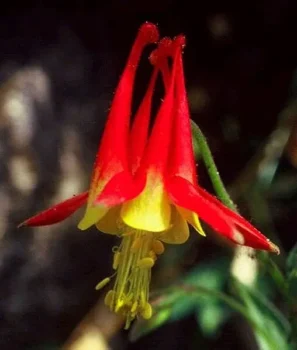
Graham’s columbine is a true Utah native, belonging to the beloved columbine family known for their distinctive spurred flowers. This perennial herb produces the characteristic columbine blooms—delicate, nodding flowers with elegant spurs that beckon to pollinators. The flowers typically display beautiful shades of blue to purple, creating a stunning display during their spring blooming period.
A Plant of Extreme Rarity
Important Conservation Note: Graham’s columbine carries a Global Conservation Status of S1, meaning it’s critically imperiled in the wild. With typically five or fewer occurrences and very few remaining individuals (less than 1,000), this plant is extremely vulnerable to extinction. If you’re considering growing this species, please only source it from reputable native plant nurseries that use responsibly collected or propagated material—never collect from wild populations.
Where Graham’s Columbine Grows Naturally
This rare columbine is endemic to Utah, where it clings to existence in specialized mountain habitats. Its extremely limited distribution makes it one of the most geographically restricted columbines in North America.
- Species observed
- No observations
Why (and Why Not) to Grow Graham’s Columbine
Reasons to consider it:
- Conservation value—growing it helps preserve genetic diversity
- Unique addition to specialized native plant collections
- Attracts pollinators including hummingbirds and long-tongued bees
- Perfect for rock gardens and alpine plant enthusiasts
- Supports local ecosystem restoration efforts
Reasons it might not be for you:
- Extremely challenging to grow outside its native range
- Requires very specific cool, mountain-like conditions
- Limited availability from responsible sources
- Not suitable for typical garden settings
- May not survive in most residential landscapes
Growing Conditions and Care
Graham’s columbine is adapted to the harsh, specialized conditions of Utah’s mountains, making it quite finicky in cultivation:
- Climate: Cool temperatures, likely hardy in USDA zones 4-6
- Soil: Well-draining, rocky or sandy soils that mimic alpine conditions
- Moisture: Consistent moisture but never waterlogged
- Light: Partial shade, protection from intense afternoon sun
- Setting: Rock gardens, alpine houses, or specialized native plant beds
Planting and Propagation Tips
Given its rarity, most gardeners will need to start Graham’s columbine from seed obtained from specialized native plant sources:
- Sow seeds in fall for natural cold stratification
- Provide consistent, cool conditions during germination
- Transplant seedlings carefully—they don’t like root disturbance
- Consider growing in containers to better control conditions
- Be patient—establishment can take several seasons
Pollinator and Wildlife Benefits
Like other columbines, Graham’s columbine serves important ecological functions. Its spurred flowers are perfectly designed for hummingbirds, while long-tongued bees and butterflies also visit for nectar. By growing this rare species responsibly, you’re helping maintain these important pollinator relationships.
The Bottom Line
Graham’s columbine is definitely a plant for serious native plant enthusiasts rather than casual gardeners. Its extreme rarity makes it a conservation priority, and its specialized growing requirements mean success isn’t guaranteed. However, for those passionate about preserving Utah’s unique flora and up for a gardening challenge, this rare gem offers the opportunity to participate in conservation while growing something truly special.
Remember: only pursue this plant if you can source it responsibly and provide the specialized care it requires. Sometimes the best way to appreciate rare plants is to support their conservation in the wild and choose more common native alternatives for our home landscapes.