Grand Coulee Onion: A Rare Pacific Northwest Native Worth Protecting
If you’re looking to add a touch of Pacific Northwest authenticity to your garden while supporting conservation efforts, the Grand Coulee onion (Allium constrictum) might be exactly what you need. This delicate native bulb offers understated beauty and ecological value, though its rarity makes it a plant that deserves special consideration.
What Makes Grand Coulee Onion Special
The Grand Coulee onion is a charming perennial forb that belongs to the diverse Allium family. Unlike its more robust garden cousins, this native species has adapted to the harsh, dry conditions of eastern Washington’s shrub-steppe landscape. Its narrow, grass-like leaves emerge in spring, followed by clusters of small pink to purple flowers that dance atop slender stems in late spring to early summer.
What sets this plant apart isn’t just its delicate beauty, but its incredible specificity to place. This little onion has evolved to thrive in one of North America’s most challenging environments, making it a true testament to nature’s adaptability.
Where You’ll Find It Growing Wild
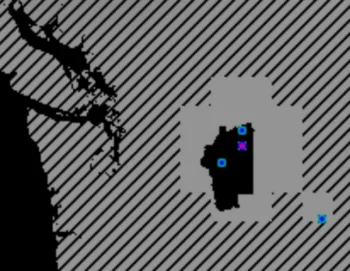
Grand Coulee onion is endemic to Washington state, with its primary home in the Columbia River basin around the Grand Coulee area. This limited geographic distribution makes it a truly regional treasure – you won’t find this species growing naturally anywhere else in the world.
- Species observed
- No observations
A Word About Conservation
Here’s something important to know: Grand Coulee onion has a Global Conservation Status of S2S3, meaning it’s considered imperiled to vulnerable. This rarity status doesn’t mean you shouldn’t grow it – quite the opposite! Growing rare native plants in cultivation can actually help protect them. However, it does mean you should only obtain plants or seeds from responsible sources that don’t collect from wild populations.
If you choose to grow Grand Coulee onion, you’re participating in conservation through cultivation, which is pretty awesome when you think about it.
Why Gardeners Love (and Should Consider) This Plant
Despite its small stature, Grand Coulee onion brings several benefits to the right garden:
- Authentic regional character: Perfect for Pacific Northwest native plant gardens
- Pollinator magnet: The flowers attract native bees, beneficial wasps, and other small pollinators
- Low maintenance: Once established, it thrives on neglect
- Seasonal interest: Provides spring foliage and early summer blooms
- Conservation value: Helps preserve genetic diversity of rare species
Growing Conditions and Care
Grand Coulee onion isn’t for every garden, but if you can provide the right conditions, it’s surprisingly easy to grow. This plant has evolved in eastern Washington’s dry, rocky landscape, so it needs:
- Excellent drainage: Soggy soils are a death sentence for this plant
- Full sun: At least 6-8 hours of direct sunlight daily
- Minimal summer water: Once established, avoid irrigation during summer dormancy
- Rocky or sandy soil: Mimics its natural shrub-steppe habitat
This native thrives in USDA hardiness zones 4-8, making it suitable for most temperate regions, though it performs best in areas with dry summers.
Perfect Garden Situations
Grand Coulee onion shines in specific garden settings:
- Rock gardens: Its natural habitat translated to cultivation
- Xeric landscapes: Perfect for water-wise gardening
- Native plant collections: A must-have for regional flora enthusiasts
- Naturalized areas: Great for mimicking shrub-steppe ecosystems
Planting and Long-term Care
If you’ve sourced responsibly-grown bulbs, plant them in fall about 2-3 inches deep in well-draining soil. Choose a spot that receives full sun and won’t be irrigated heavily in summer. Once planted, Grand Coulee onion is remarkably low-maintenance – in fact, too much attention (especially water) can harm it.
The key to success is remembering that this plant goes dormant in summer, just like it does in the wild. Don’t panic when the foliage dies back – it’s just resting until the next growing season.
The Bottom Line
Grand Coulee onion isn’t the flashiest native plant you can grow, but it offers something special: a direct connection to the unique landscapes of the Pacific Northwest and a chance to participate in conservation. If you have the right growing conditions and can source plants responsibly, this rare native deserves a place in your garden. Just remember – with great plants comes great responsibility, especially when they’re as special and rare as this little Washington endemic.