Granite Buckwheat: A Rare Nevada Treasure for Your Rock Garden
Meet granite buckwheat (Eriogonum robustum), a botanical gem that’s as tough as the rocky Nevada landscapes it calls home. This perennial wildflower might not be the showiest plant in your garden, but it’s certainly one of the most resilient – and rarest.
A True Nevada Native
Granite buckwheat is a proud Nevada endemic, meaning it naturally occurs nowhere else on Earth. This special plant has made its home among the granite outcrops and rocky slopes of the Silver State, where it has adapted to some pretty challenging conditions over thousands of years.
- Species observed
- No observations
Important Conservation Note
Before we dive into growing tips, here’s something crucial to know: granite buckwheat has a Global Conservation Status of S2, which means it’s considered Imperiled. With only 6 to 20 known occurrences and few remaining individuals in the wild, this plant is quite rare. If you’re interested in growing granite buckwheat, please ensure you source it responsibly from reputable native plant nurseries that propagate their own stock rather than wild-collecting.
What Does Granite Buckwheat Look Like?
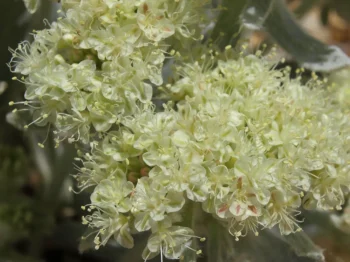
This perennial forb (that’s botanist-speak for a non-woody flowering plant) produces clusters of small, delicate flowers that range from white to soft pink. The real charm lies in its silvery-green foliage, which provides year-round interest even when the plant isn’t blooming. As a true child of the granite, it’s naturally compact and well-suited to rocky environments.
Why Grow Granite Buckwheat?
Here are some compelling reasons to consider this rare beauty:
- Perfect for rock gardens and xeriscaping projects
- Extremely drought-tolerant once established
- Attracts native pollinators including bees and butterflies
- Requires minimal maintenance
- Helps preserve a rare native species
- Adds authentic Nevada character to native plant gardens
Growing Conditions and Care
Think of granite buckwheat as the strong, silent type of the plant world. It doesn’t ask for much, but it’s very particular about what it does need:
Soil: This plant absolutely must have excellent drainage. Rocky, sandy, or gravelly soil is ideal – basically, recreate those granite slopes it loves in the wild.
Sun: Full sun is essential. This isn’t a plant for shady spots.
Water: Once established, granite buckwheat is incredibly drought-tolerant. In fact, overwatering is one of the quickest ways to kill it. Water sparingly during establishment, then let nature take over.
Hardiness: Suitable for USDA zones 5-9, making it adaptable to various climates beyond its native Nevada.
Planting Tips
When planting granite buckwheat, think lean and mean. Amend heavy clay soils with coarse sand or gravel to improve drainage. Plant in spring after the last frost, and resist the urge to pamper it with rich soil or frequent watering – this tough little plant prefers the spartan life.
Garden Design Ideas
Granite buckwheat shines in:
- Rock gardens and alpine-style landscapes
- Desert and xeriscape designs
- Native plant gardens focused on Nevada flora
- Pollinator gardens in arid regions
- Slopes and areas with poor, rocky soil
A Final Thought
Growing granite buckwheat isn’t just about adding another plant to your garden – it’s about becoming a steward of a rare piece of Nevada’s natural heritage. With thoughtful cultivation and responsible sourcing, gardeners can help ensure this granite-loving beauty continues to thrive for generations to come. Just remember: sometimes the most extraordinary plants are the ones that ask for the least but give so much in return.