Granite Gooseberry: A Rare Native Gem for Rock Gardens
If you’re looking for a unique native shrub that thrives in challenging rocky conditions, let me introduce you to the granite gooseberry (Ribes curvatum). This spunky little shrub might not be the showiest plant in your garden, but it’s a true survivor with a fascinating story and some serious ecological street cred.
What Is Granite Gooseberry?
Granite gooseberry is a perennial shrub that typically stays under 13-16 feet tall, though it usually keeps a much more modest profile. As its name suggests, this tough little plant has a thing for granite and rocky outcrops – it’s basically the mountain climber of the gooseberry world. You might also see it listed under its scientific synonyms like Grossularia curvata or Grossularia texensis in older references.
Where Does It Call Home?
This southeastern native has carved out its niche across seven states: Alabama, Arkansas, Georgia, Louisiana, Oklahoma, Tennessee, and Texas. It’s particularly fond of granite outcrops and rocky, well-draining soils that would make most other plants throw in the towel.
- Species observed
- No observations
A Word About Rarity
Important note for responsible gardeners: Granite gooseberry has a rarity status of S2 in Alabama, meaning it’s considered imperiled in that state. If you’re interested in growing this plant, please source it only from reputable native plant nurseries that propagate their own stock – never collect from wild populations. By choosing responsibly sourced plants, you’re helping protect this special native species.
Why Consider Granite Gooseberry for Your Garden?
Here’s why this understated shrub deserves a spot in the right garden:
- Native credentials: It’s a true native that supports local ecosystems
- Tough as nails: Perfect for challenging sites with poor, rocky soil
- Pollinator friendly: Spring flowers attract native bees and other small pollinators
- Low maintenance: Once established, it’s remarkably drought tolerant
- Unique character: Adds texture and interest to rock gardens and naturalized areas
What Does It Look Like?
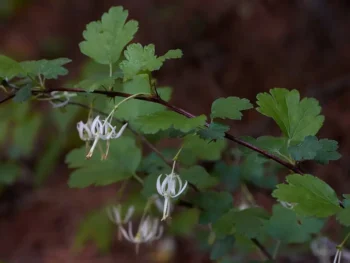
Granite gooseberry produces small, white to greenish flowers in spring that may not stop traffic but certainly catch the attention of pollinators. The plant develops small berries and has thorny branches – so it’s not exactly a pet-friendly shrub, but it does add defensive structure to the landscape. Its multi-stemmed growth habit creates an interesting, somewhat wild appearance that works beautifully in naturalized settings.
Perfect Garden Settings
This isn’t your typical suburban foundation plant – granite gooseberry shines in specific situations:
- Rock gardens and xeriscapes
- Native plant gardens
- Erosion control on slopes
- Naturalized woodland edges
- Areas with poor, rocky, or sandy soils
Growing Conditions and Care
The secret to success with granite gooseberry is thinking like a rock – it wants excellent drainage above all else. Here’s what it prefers:
- Sunlight: Full sun to partial shade
- Soil: Well-draining, rocky, or sandy soils (clay is its kryptonite)
- Water: Drought tolerant once established; hates wet feet
- USDA Zones: Hardy in zones 6-9
Planting and Care Tips
Getting granite gooseberry established is straightforward if you remember its rocky preferences:
- Soil prep: If your soil holds water, amend with gravel or coarse sand to improve drainage
- Watering: Water regularly the first year, then back off – this plant prefers the tough love approach
- Pruning: Light pruning after flowering if needed, but it generally maintains its shape well
- Fertilizing: Skip it – this plant evolved in nutrient-poor conditions and prefers to stay that way
The Bottom Line
Granite gooseberry isn’t for every garden or every gardener, but for those with challenging rocky sites or a passion for native plants, it’s a real treasure. Its rarity makes it even more special – by growing this plant responsibly, you’re participating in conservation right in your own backyard. Just remember to source it ethically, give it the drainage it craves, and then step back and let this tough little native do what it does best: thrive where others fear to grow.
If granite gooseberry sounds too specialized for your space, consider other native Ribes species that might be more readily available in your area – your local native plant society can point you toward great alternatives that offer similar ecological benefits.