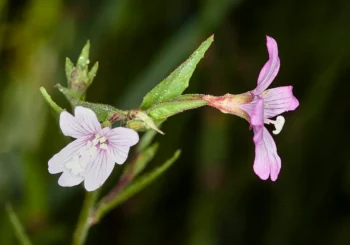
Grants Pass Willowherb: A Rare Native Gem for Conservation-Minded Gardeners
Meet Grants Pass willowherb (Epilobium oreganum), a delicate native perennial that’s as rare as it is beautiful. This little-known member of the evening primrose family deserves a spot in every conservation gardener’s heart – and potentially their wetland garden too.
What Makes This Plant Special
Grants Pass willowherb is a true Pacific Northwest native, calling only California and Oregon home. As a perennial forb (that’s garden-speak for a non-woody flowering plant), it produces charming small pink to purple flowers that dance above narrow, lance-shaped leaves. Don’t expect a showstopper here – this plant’s beauty lies in its subtle elegance and ecological importance.
Where You’ll Find It Growing Wild
This specialized little plant has chosen to make its home exclusively in California and Oregon, with a particular fondness for the Grants Pass area that gave it its common name. It’s what botanists call an obligate wetland species, meaning you’ll almost always find it in soggy, wet conditions.
- Species observed
- No observations
A Conservation Alert: Handle with Care
Here’s where things get serious, fellow gardeners. Grants Pass willowherb carries a Global Conservation Status of S2, meaning it’s imperiled in the wild. With typically only 6 to 20 known populations and somewhere between 1,000 to 3,000 individual plants remaining, this species is walking a tightrope toward extinction.
What this means for you: If you’re interested in growing this rare beauty, please only source it from reputable native plant nurseries that propagate from legally collected seeds or divisions. Never collect from wild populations – every plant counts when numbers are this low.
Why Grow Grants Pass Willowherb?
Conservation-minded gardeners will find several compelling reasons to include this species in their landscapes:
- Conservation impact: Growing this plant helps preserve genetic diversity and provides insurance against extinction
- Pollinator magnet: The flowers attract native bees, butterflies, and other important pollinators
- Wetland restoration: Perfect for rain gardens, bog gardens, or wetland restoration projects
- Native authenticity: Adds genuine local character to Pacific Northwest native plant gardens
- Low maintenance: Once established in proper conditions, it requires minimal care
Growing Conditions: It’s All About the Water
As an obligate wetland species, Grants Pass willowherb has some non-negotiable requirements:
- Moisture: Consistently moist to wet soil conditions – think bog-like
- Light: Full sun to partial shade (6+ hours of direct sunlight preferred)
- Soil: Tolerates various soil types as long as they stay wet
- Climate zones: USDA Hardiness Zones 7-9
- pH: Adaptable to various pH levels in wetland conditions
Perfect Garden Settings
This isn’t your typical border perennial – Grants Pass willowherb shines in specialized garden situations:
- Rain gardens and bioswales
- Bog gardens and water features
- Native plant conservation gardens
- Wetland restoration projects
- Naturalized pond edges
Planting and Care Tips
Successfully growing this rare native requires attention to its specific needs:
Planting: Choose a location that stays consistently moist year-round. Spring planting gives the best establishment results. Space plants according to your nursery’s recommendations, as mature size can vary.
Watering: This is the make-or-break factor. The soil should never dry out completely. If you don’t have naturally wet conditions, consider installing a drip irrigation system or choosing a different location.
Maintenance: Minimal once established in proper conditions. Allow plants to go to seed to support local wildlife and potentially establish new plants nearby.
Winter care: As a perennial, it will die back in winter and emerge again in spring. Leave seed heads for wildlife food.
The Bottom Line
Grants Pass willowherb isn’t for every gardener or every garden. Its specific wetland requirements and rarity status make it a specialized choice for conservation-minded gardeners with the right growing conditions. If you have a wet spot in your Pacific Northwest garden and want to make a real difference for native plant conservation, this could be your perfect match.
Just remember – with great rarity comes great responsibility. Source responsibly, grow with care, and take pride in nurturing one of the Pacific Northwest’s most vulnerable native treasures.