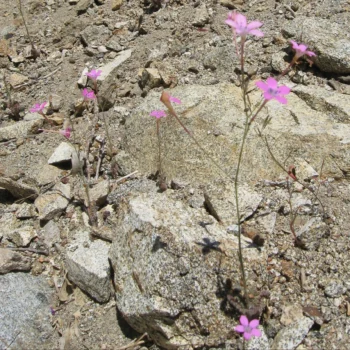
Grant’s Splendid Woodland-Gilia: A Rare California Gem Worth Growing
If you’re passionate about California native plants and love the idea of nurturing something truly special, Grant’s splendid woodland-gilia (Saltugilia splendens grantii) might just capture your heart. This charming annual wildflower represents one of nature’s more exclusive offerings – a plant that’s as rare as it is beautiful.
What Makes This Plant Special
Grant’s splendid woodland-gilia is a delicate annual forb that belongs to the fascinating world of California’s native wildflowers. As an herbaceous plant without woody stems, it completes its entire life cycle in a single growing season, making every bloom precious and fleeting.
This little beauty is exclusively native to California, making it a true Golden State original. Its rarity status of S3?T1T3 indicates that conservation scientists are keeping a close eye on its populations – which means if you choose to grow it, you’re participating in something pretty important for biodiversity.
Where It Calls Home
You’ll find Grant’s splendid woodland-gilia naturally occurring only in California, where it has adapted to the unique Mediterranean climate and soil conditions of the region.
- Species observed
- No observations
Should You Grow It?
Here’s where things get interesting. While this plant would make a wonderful addition to any native California garden, its rarity means you need to be extra thoughtful about how you source it.
The Good Reasons to Grow It:
- You’ll be supporting conservation efforts for a rare native species
- It’s perfectly adapted to California’s climate conditions
- As a native annual, it requires minimal water and care once established
- It likely provides nectar for native pollinators and small beneficial insects
- It adds authentic wildflower charm to naturalized garden areas
The Important Caution:
- Only source seeds or plants from reputable native plant nurseries
- Never collect from wild populations
- Make sure any plant material comes with proper documentation
Growing Grant’s Splendid Woodland-Gilia
As a California native annual, this plant is naturally low-maintenance once you understand its preferences.
Ideal Growing Conditions:
- Full sun exposure
- Well-draining soil (avoid heavy clay or constantly moist conditions)
- USDA hardiness zones 8-10, matching California’s Mediterranean climate
- Minimal summer water once established
Planting and Care Tips:
- Sow seeds in fall to allow for natural winter stratification
- Scatter seeds in areas where you want a naturalized wildflower look
- Provide regular water during germination and early growth
- Reduce watering as plants mature and temperatures rise
- Allow plants to set seed for potential self-seeding the following year
Garden Design Ideas
Grant’s splendid woodland-gilia works beautifully in:
- Native California wildflower meadows
- Naturalized garden borders
- Rock gardens with good drainage
- Mixed native annual displays
- Conservation-focused landscape projects
The Bottom Line
Grant’s splendid woodland-gilia offers something special – the chance to grow a genuinely rare piece of California’s natural heritage. While you’ll need to be patient in sourcing responsibly-grown material, the reward is a garden that contributes to conservation while showcasing the subtle beauty of native wildflowers.
Remember, every rare plant we successfully cultivate in gardens represents hope for the species’ future. Just make sure you’re doing your part by choosing ethical sources and never impacting wild populations.