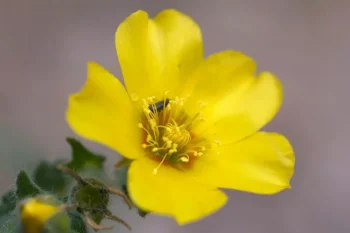
Grass Blazingstar: A Delicate California Native Worth Growing
If you’re looking to add a touch of understated elegance to your California native garden, grass blazingstar might just be the perfect annual wildflower you’ve been searching for. This charming little forb brings delicate beauty to desert and dryland landscapes without demanding much fuss from gardeners.
What is Grass Blazingstar?
Grass blazingstar (Mentzelia gracilenta) is a native California annual forb that belongs to the blazingstar family. As a true annual, it completes its entire life cycle in one growing season, producing delicate yellow star-shaped flowers that seem to dance above slender stems. Don’t let the grass in its common name fool you—this is definitely a flowering plant, not a grass!
You might occasionally see this plant listed under its botanical synonym, Mentzelia ravenii, but Mentzelia gracilenta is the accepted name. Being a forb means it’s a non-woody herbaceous plant that lacks the thick, woody stems of shrubs and trees.
Where Does Grass Blazingstar Grow Naturally?
This lovely wildflower is exclusively native to California, making it a true Golden State endemic. It has adapted to thrive in the state’s diverse desert and semi-arid regions, where it has evolved alongside other drought-tolerant natives over thousands of years.
- Species observed
- No observations
Why Consider Growing Grass Blazingstar?
There are several compelling reasons to include grass blazingstar in your native plant palette:
- True California native: Supporting local ecosystems and wildlife
- Low maintenance: Once established, requires minimal care
- Pollinator magnet: Attracts bees and other beneficial insects
- Drought tolerant: Perfect for water-wise gardening
- Unique texture: Adds delicate, airy appeal to garden compositions
Important Conservation Note
Before you get too excited about adding grass blazingstar to your garden, there’s something important to know. This species has a Global Conservation Status of S3?, which indicates it may be uncommon or rare. While this shouldn’t discourage you from growing it, it does mean you should be extra thoughtful about sourcing.
Always purchase seeds or plants from reputable native plant nurseries that practice ethical collection methods. Never collect seeds or plants from wild populations, as this can harm already vulnerable natural communities.
Perfect Garden Settings
Grass blazingstar shines in specific types of landscapes:
- Desert gardens: Complements other drought-adapted natives beautifully
- Rock gardens: Thrives in well-draining, rocky conditions
- Xeriscapes: Ideal for water-conscious landscaping
- Native plant gardens: Essential for authentic California plant communities
- Naturalized areas: Perfect for meadow-style plantings
Growing Conditions and Care
Grass blazingstar is surprisingly easy to grow once you understand its preferences:
Climate Requirements: This desert native thrives in USDA hardiness zones 9-11, preferring the warm, dry climates found in California’s desert and semi-arid regions.
Sun and Soil: Give it full sun and well-draining soil—think sandy, gravelly, or rocky conditions. Heavy clay soils that retain moisture will likely cause problems for this drought-adapted beauty.
Water Needs: Once established, grass blazingstar is quite drought tolerant. During its growing season, occasional deep watering is appreciated, but avoid overwatering, which can lead to root rot.
Planting and Propagation Tips
Since grass blazingstar is an annual, you’ll need to replant it each year or allow it to self-seed:
- Timing: Direct seed in fall for spring blooms
- Seed preparation: Seeds may benefit from light scarification or cold stratification
- Spacing: Allow adequate space between plants for good air circulation
- Patience: Don’t worry if germination seems slow—desert annuals often wait for ideal conditions
Wildlife and Pollinator Benefits
While grass blazingstar may look delicate, it’s actually a valuable contributor to local ecosystems. The flowers attract various pollinators, including native bees and other beneficial insects. By growing this native annual, you’re providing important nectar sources during its blooming period and supporting the complex web of relationships that make California’s ecosystems so special.
Is Grass Blazingstar Right for Your Garden?
Grass blazingstar is perfect for gardeners who love native plants, appreciate subtle beauty, and want to support local wildlife. It’s especially well-suited for those creating authentic California desert or dryland gardens. However, it may not be the best choice if you prefer showy, long-blooming perennials or live outside its natural climate range.
Remember, as a potentially rare species, growing grass blazingstar comes with the responsibility to source it ethically and perhaps even help conserve it for future generations. When you choose native plants like this one, you’re not just gardening—you’re participating in conservation.