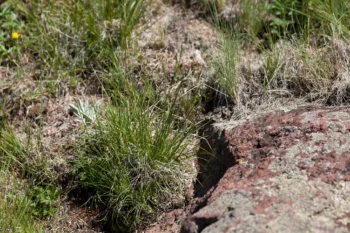
Grassyslope Sedge: A Rare Mountain Treasure for Specialized Gardens
Meet the grassyslope sedge (Carex oreocharis), a charming little native that’s as unique as its mountain home. This perennial sedge might not win any flashy flower contests, but it’s got something special that makes it worth knowing about – especially if you’re into rare native plants or alpine gardening.
What Makes Grassyslope Sedge Special?
This grass-like beauty belongs to the sedge family, those sturdy relatives of true grasses that know how to handle tough conditions. What sets grassyslope sedge apart is its remarkable ability to thrive on mountain slopes where many other plants simply can’t hack it.
As a native species to the lower 48 states, grassyslope sedge naturally occurs in Arizona, Colorado, New Mexico, and Wyoming. It’s perfectly adapted to the challenging conditions of high-elevation environments.
- Species observed
- No observations
A Word of Caution: This Plant is Rare
Before we dive into growing tips, here’s something important to know: grassyslope sedge has a Global Conservation Status of S3, meaning it’s considered vulnerable. With typically only 21 to 100 occurrences or between 3,000 and 10,000 individuals in the wild, this isn’t your everyday garden plant.
If you’re interested in growing this species, please only source it from reputable native plant nurseries that propagate their own stock responsibly. Never collect from wild populations.
Should You Plant Grassyslope Sedge?
This sedge is definitely not for everyone, but it might be perfect for you if:
- You’re creating an alpine or rock garden
- You love collecting rare native plants
- You want to support conservation through cultivation
- You’re designing a specialized mountain-themed landscape
- You appreciate subtle, grass-like textures in your garden
However, skip this one if you’re looking for showy flowers, fast-growing ground cover, or easy-care plants for beginners.
Growing Grassyslope Sedge Successfully
Getting the Conditions Right
Think mountain meadow when planning for this sedge. It thrives in USDA hardiness zones 4-7, preferring the cooler temperatures and excellent drainage that mimic its natural habitat.
Key growing requirements include:
- Excellent drainage – this is absolutely critical
- Well-draining, preferably gravelly or sandy soil
- Full sun to partial shade
- Cool, mountain-like conditions
- Protection from hot, humid summers if you’re not in its native range
Planting and Care Tips
Since grassyslope sedge is adapted to harsh mountain conditions, it’s surprisingly low-maintenance once established in the right environment:
- Plant in spring or early fall
- Amend heavy clay soils with gravel or coarse sand for drainage
- Water regularly the first year, then reduce as the plant establishes
- Avoid fertilizing – mountain plants prefer lean soils
- Mulch with gravel rather than organic matter
Wildlife and Ecological Benefits
While sedges aren’t typically pollinator magnets (they’re wind-pollinated), they do provide valuable habitat and food for wildlife. The seeds can feed small birds, and the tufting growth provides shelter for tiny creatures in alpine environments.
The Bottom Line
Grassyslope sedge is a fascinating native plant that deserves our respect and protection. If you have the right conditions and can source it responsibly, it makes a wonderful addition to specialized alpine gardens. Just remember – with great rarity comes great responsibility. By growing this vulnerable species in our gardens, we’re helping ensure its survival for future generations.
Not quite right for your garden? Consider other native sedges from your region that might be more readily available and better suited to your specific conditions. Your local native plant society can point you toward excellent alternatives!