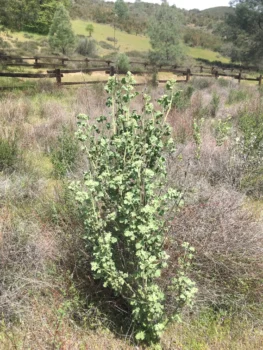
Gray Bushmallow: A Rare California Native Worth Protecting in Your Garden
Meet the Gray Bushmallow (Malacothamnus aboriginum), a charming but increasingly rare California native that deserves a spot in every Golden State garden. This delightful shrub might not be the showiest plant on the block, but what it lacks in flash, it makes up for in resilience, wildlife value, and that special satisfaction that comes from growing something truly special.
What Makes Gray Bushmallow Special?
Gray Bushmallow is a perennial shrub that typically grows 3-6 feet tall and wide, creating a lovely mounded form perfect for adding structure to native plant gardens. Its soft, grayish-green leaves provide a beautiful backdrop for the star of the show: delicate pink to lavender flowers that look like miniature hibiscus blooms. These charming flowers appear from late spring through summer, creating a subtle but enchanting display.
The plant’s somewhat fuzzy foliage gives it a distinctive texture that plays well with other California natives, and its naturally compact growth habit means it won’t overtake your garden space.
A California Original
This native gem is found exclusively in California, where it naturally grows in chaparral and coastal sage scrub communities throughout southern regions of the state. It’s perfectly adapted to California’s Mediterranean climate, making it an ideal choice for gardeners looking to create water-wise, regionally appropriate landscapes.
- Species observed
- No observations
Important Conservation Note
Here’s where things get serious: Gray Bushmallow is considered imperiled, with only 6-20 known occurrences remaining in the wild. This rarity status means that while we absolutely encourage growing this beautiful native, it’s crucial to source your plants responsibly. Always purchase from reputable native plant nurseries that propagate their own stock rather than collecting from wild populations.
Why Grow Gray Bushmallow?
Despite its rarity in the wild, Gray Bushmallow can be a fantastic addition to the right garden. Here’s why:
- Extremely drought-tolerant once established
- Attracts native bees, butterflies, and other beneficial insects
- Low maintenance requirements
- Provides habitat and food for local wildlife
- Helps preserve California’s botanical heritage
- Perfect for water-wise landscaping
Perfect Garden Settings
Gray Bushmallow thrives in:
- Native California gardens
- Drought-tolerant landscapes
- Wildlife and pollinator gardens
- Mediterranean-style gardens
- Coastal and inland chaparral restorations
Growing Conditions and Care
This adaptable shrub is surprisingly easy to grow once you understand its preferences:
Climate: Hardy in USDA zones 9-11, perfect for most of California’s inhabited areas.
Sun and Soil: Prefers full sun to partial shade and well-draining soil. It’s not picky about soil type but absolutely cannot tolerate standing water or heavy clay that doesn’t drain.
Water Needs: Here’s the beauty of California natives – once established (usually after the first year), Gray Bushmallow needs minimal supplemental watering. During establishment, water regularly but allow soil to dry between waterings.
Planting and Care Tips
Best Planting Time: Fall is ideal, giving the plant time to establish roots before the hot, dry summer months.
Spacing: Plant 4-6 feet apart to allow for mature spread.
First Year Care: Water regularly (but don’t overwater!) and mulch around the base to retain moisture and suppress weeds.
Ongoing Maintenance: Minimal pruning needed – just remove dead or damaged branches. Light pruning after flowering can help maintain shape.
Fertilizing: Like most California natives, Gray Bushmallow doesn’t need rich soil or regular fertilizing. In fact, too much fertilizer can make it more susceptible to problems.
Supporting Pollinators and Wildlife
One of the best reasons to grow Gray Bushmallow is its value to local wildlife. The flowers provide nectar for native bees and butterflies, while the plant structure offers nesting sites and shelter for beneficial insects. It’s a perfect example of how gardening with natives creates a mini-ecosystem that supports biodiversity.
The Bottom Line
Gray Bushmallow might be rare in the wild, but it can be a treasured addition to your garden when sourced responsibly. It offers the perfect combination of beauty, low maintenance, and ecological value that makes native gardening so rewarding. By growing this special plant, you’re not just creating a beautiful landscape – you’re participating in conservation efforts and supporting California’s unique botanical heritage.
Remember: always source from reputable native plant nurseries, never collect from wild populations, and consider joining local native plant societies to learn more about conservation efforts in your area. Together, we can help ensure that future generations will be able to enjoy the simple beauty of California’s Gray Bushmallow.