Gray Chickensage: A Hardy Native for High-Elevation Gardens
If you’re looking for a tough, drought-tolerant native plant that can handle challenging conditions, gray chickensage (Sphaeromeria cana) might just be the perfect addition to your garden. This unassuming perennial herb brings subtle beauty and ecological value to landscapes across the western United States.
What is Gray Chickensage?
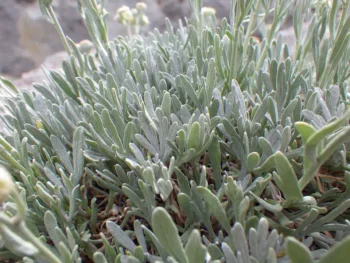
Gray chickensage is a native perennial forb that forms low, cushion-like mounds of silvery-gray foliage. Don’t let its humble appearance fool you—this hardy plant is perfectly adapted to some of the harshest growing conditions in the American West. Also known by its synonym Tanacetum canum, this member of the sunflower family produces clusters of small, bright yellow flowers that create a delightful contrast against its gray leaves.
Where Does Gray Chickensage Grow Naturally?
This resilient native calls the high-elevation areas of California, Nevada, and Oregon home. You’ll typically find it thriving in mountainous regions where many other plants struggle to survive. Its natural habitat includes rocky slopes, alpine meadows, and areas with poor, well-drained soils.
- Species observed
- No observations
Why Consider Growing Gray Chickensage?
There are several compelling reasons to add this native plant to your landscape:
- Drought tolerance: Once established, gray chickensage requires minimal water, making it perfect for xeriscaping
- Low maintenance: This tough plant thrives on neglect and doesn’t need fertilizers or frequent care
- Pollinator support: The small yellow flowers attract native bees and other beneficial insects
- Year-round interest: The silvery-gray foliage provides color and texture throughout the growing season
- Erosion control: Its low-growing habit makes it excellent for stabilizing slopes
Important Conservation Considerations
Before you rush to plant gray chickensage, there’s something important to know: this species has a conservation status of S3S4, which indicates it may face some population pressures in parts of its range. While this doesn’t mean you shouldn’t grow it, it does mean you should be thoughtful about sourcing. Always purchase plants or seeds from reputable native plant nurseries that propagate their stock rather than collecting from wild populations.
Perfect Garden Settings
Gray chickensage shines in specific garden types:
- Rock gardens: Its compact form and drought tolerance make it ideal for tucking between boulders
- Alpine gardens: Perfect for recreating high-elevation plant communities
- Xeriscapes: An excellent choice for water-wise landscaping
- Native plant gardens: Essential for authentic western native plant displays
- Slope stabilization: Helps prevent erosion on challenging sites
Growing Conditions and Care
Gray chickensage is surprisingly easy to grow if you can replicate its preferred conditions:
Sunlight: Full sun is essential—this plant won’t tolerate shade
Soil: Well-drained soil is crucial. It actually prefers poor, rocky soils over rich garden soil
Water: Drought-tolerant once established, but provide regular water the first season
Hardiness: Thrives in USDA zones 4-8, handling both cold winters and hot, dry summers
Planting and Care Tips
Getting started with gray chickensage is straightforward:
- Plant in spring after the last frost for best establishment
- Space plants 12-18 inches apart to allow for natural spreading
- Water regularly the first year, then reduce to minimal supplemental watering
- Avoid fertilizers—this plant thrives in poor soils
- In extremely harsh winter areas, provide some protection with mulch
- Deadhead spent flowers if you want to prevent self-seeding
Size and Growth Expectations
Gray chickensage typically grows 6-12 inches tall and spreads 12-18 inches wide, forming neat, compact mounds. It’s not a fast grower, but its steady, reliable presence makes it worth the wait. The plant maintains its attractive form throughout the growing season without requiring pruning or shaping.
The Bottom Line
Gray chickensage is an excellent choice for gardeners seeking authentic native plants that can handle tough conditions. While it may not be the showiest plant in your garden, its quiet beauty, ecological value, and remarkable durability make it a worthy addition to the right landscape. Just remember to source your plants responsibly to help protect wild populations of this special native species.
If you’re gardening in the western states and want a plant that truly belongs in your landscape, gray chickensage deserves serious consideration. It’s proof that sometimes the most unassuming plants can be the most valuable additions to our gardens.