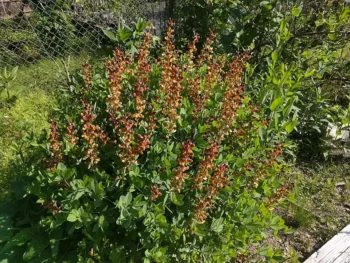
Grayhairy Wild Indigo: A Southeastern Native Worth Getting to Know
If you’re looking for a unique native perennial that brings both beauty and ecological value to your southeastern garden, let me introduce you to grayhairy wild indigo (Baptisia cinerea). This lesser-known member of the Baptisia family might not be the showiest plant in your garden, but it’s got character, resilience, and a quiet charm that grows on you—literally and figuratively.
What Makes Grayhairy Wild Indigo Special?
Grayhairy wild indigo is a true southeastern native, calling Georgia, North Carolina, South Carolina, and Virginia home. Unlike its more famous cousins in the Baptisia family, this species sports distinctive gray-green foliage covered in soft hairs that give it a silvery, almost velvety appearance. The common name grayhairy might not sound glamorous, but trust me—this textural quality adds wonderful contrast to any native plant palette.
- Species observed
- No observations
In late spring, the plant produces elegant spikes of cream to pale yellow pea-like flowers that may be subtle in color but are anything but boring. These blooms eventually give way to inflated seed pods that create their own little percussion section when the wind blows through them—nature’s own wind chimes!
Why Your Garden (and Local Wildlife) Will Thank You
This perennial powerhouse offers benefits that extend far beyond your garden borders. The flowers attract native bees and other important pollinators, while the seeds provide a valuable food source for birds. As a legume, grayhairy wild indigo also fixes nitrogen in the soil, essentially fertilizing itself and its neighbors—talk about being a good garden citizen!
The plant works beautifully as a specimen in native plant gardens or naturalized landscapes. Its upright growth habit and unique foliage texture make it an excellent choice for adding structure and visual interest to pollinator gardens throughout the Southeast.
Growing Grayhairy Wild Indigo: The Basics
Here’s the good news: once established, grayhairy wild indigo is remarkably low-maintenance. This drought-tolerant native thrives in USDA hardiness zones 6-9, making it perfectly suited for most southeastern gardens.
Ideal Growing Conditions
- Sunlight: Full sun to partial shade
- Soil: Well-drained soils; tolerates both sandy and clay conditions
- Water: Drought tolerant once established; avoid overwatering
- pH: Adaptable to various soil pH levels
Planting and Care Tips
The key to success with grayhairy wild indigo is patience. Like most Baptisia species, this plant is slow to establish but incredibly long-lived once it settles in. Think of it as a long-term investment in your garden’s future.
You can start grayhairy wild indigo from seed or purchase nursery-grown plants. If starting from seed, scarification (lightly scratching the seed coat) can improve germination rates. Plant in spring after the last frost date, and don’t be discouraged if growth seems slow the first year—this species focuses on developing a deep taproot system before putting energy into above-ground growth.
Once established, your grayhairy wild indigo will require minimal care. Avoid fertilizing, as too much nutrition can actually make the plant floppy and less resilient. A light pruning after flowering can keep the plant tidy, though many gardeners prefer to leave the interesting seed pods for winter interest and bird food.
A Word About Conservation
Here’s something important to know: grayhairy wild indigo has a conservation status that suggests it may be vulnerable in some parts of its range. While this shouldn’t discourage you from growing it, it does mean you should source your plants responsibly. Look for nurseries that grow their own stock rather than collecting from wild populations, or consider starting plants from ethically sourced seeds.
Is Grayhairy Wild Indigo Right for Your Garden?
This native beauty is perfect for gardeners who appreciate subtle elegance over flashy displays. If you’re creating a native plant garden, working on a naturalized landscape, or simply want to support local pollinators and wildlife, grayhairy wild indigo deserves a spot on your plant list.
Just remember: this is a plant for patient gardeners who value long-term relationships over instant gratification. Give it time, give it space, and grayhairy wild indigo will reward you with years of quiet beauty and ecological benefits. Sometimes the best garden companions are the ones that don’t demand constant attention—they just do their thing, season after season, making your little corner of the world a better place for both you and the wildlife that call it home.