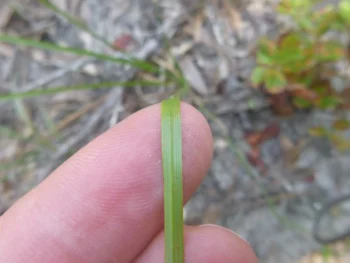
Gray’s Beaksedge: A Rare Native Sedge for Specialized Gardens
Meet Gray’s beaksedge (Rhynchospora grayi), a understated native perennial that might just be the perfect addition to your specialized native garden—if you can find it responsibly sourced, that is. This small but mighty sedge brings authentic regional character to landscapes across the southeastern United States, though its rarity in some areas makes it a plant that deserves our careful attention and respect.
What Makes Gray’s Beaksedge Special?
Don’t expect flashy flowers or bold foliage from this humble sedge. Gray’s beaksedge is all about subtle beauty and ecological authenticity. As a member of the sedge family (Cyperaceae), it produces fine-textured, grass-like foliage topped with small, brownish flower clusters that blend seamlessly into naturalistic landscapes. While it won’t win any beauty contests, it earns its place through its native credentials and specialized growing requirements that make it perfect for specific garden situations.
Where Gray’s Beaksedge Calls Home
This southeastern native has carved out its niche across nine states: Alabama, Florida, Georgia, Louisiana, Mississippi, North Carolina, South Carolina, Texas, and Virginia. However, Gray’s beaksedge has become increasingly rare in parts of its range—it’s listed as endangered in New Jersey with special protection status in the Pinelands and Highlands regions.
- Species observed
- No observations
A Word About Rarity and Responsible Gardening
Here’s where things get important: Gray’s beaksedge isn’t just uncommon—it’s officially rare in some areas. If you’re interested in growing this species, please ensure you source it responsibly from reputable native plant nurseries that propagate their own stock rather than wild-collecting. Never harvest this plant from wild populations, especially in areas where it’s listed as endangered or rare.
Growing Conditions: It’s All About Location
One of the most fascinating aspects of Gray’s beaksedge is how its preferred growing conditions vary dramatically depending on where you are:
- Atlantic and Gulf Coastal Plain: Prefers upland conditions and almost never occurs in wetlands
- Eastern Mountains and Piedmont: More flexible, occurring in both wetland and upland sites
- Great Plains: Similarly adaptable to various moisture conditions
This regional variation means you’ll need to research the specific growing conditions in your area and match them accordingly. Generally, it thrives in USDA hardiness zones 7-10 and prefers sandy, acidic soils.
Garden Role and Design Applications
Gray’s beaksedge isn’t your typical garden center find, and that’s exactly the point. This specialized sedge shines in:
- Native plant restoration projects
- Specialized native plant collections
- Naturalistic landscapes emphasizing regional authenticity
- Areas where you want to recreate specific southeastern ecosystems
Wildlife and Pollinator Benefits
As a wind-pollinated sedge, Gray’s beaksedge won’t attract butterflies or bees like showy wildflowers do. However, native sedges like this one contribute to ecosystem health in subtler ways, potentially providing habitat for specialized insects and contributing to the complex web of native plant communities.
Planting and Care Tips
Successfully growing Gray’s beaksedge requires attention to its specific needs:
- Source plants or seeds only from reputable native plant nurseries
- Match growing conditions to your specific region (wet vs. dry preferences vary)
- Provide sandy, acidic soil when possible
- Be patient—like many native sedges, it may take time to establish
- Once established, it requires minimal maintenance
Should You Grow Gray’s Beaksedge?
This isn’t a plant for everyone, and that’s perfectly okay. Consider Gray’s beaksedge if you’re passionate about native plant conservation, creating authentic regional landscapes, or participating in restoration efforts. It’s ideal for gardeners who appreciate subtle beauty and want to support rare native species through responsible cultivation.
However, if you’re looking for dramatic garden impact or easy-care plants for general landscaping, you might be better served by more common native sedges or grasses that offer similar ecological benefits without the rarity concerns.
Gray’s beaksedge represents the quieter side of native gardening—plants that may not grab headlines but play important roles in preserving our natural heritage. By growing it responsibly, you’re not just adding a plant to your garden; you’re participating in conservation.